
A nurse is caring for an adult client who has been placed in physical restraints due to aggressive behavior. Which of the following actions should the nurse take?
Have a staff member check on the client every 30 minutes.
Assess the client's need for toileting every 15 minutes.
Ask the provider to renew the prescription every 8 hours.
Offer hydration and nutrition to the client every 2 hours.
The Correct Answer is D
Choice A reason:
Having a staff member check on the client every 30 minutes is important for ensuring the client's safety and well-being. However, best practices suggest that continuous visual monitoring or checks at least every 15 minutes is generally recommended. This frequent monitoring allows for prompt identification and response to any distress or needs the client may have.
Choice B reason:
Assessing the client's need for toileting every 15 minutes may be excessive and could potentially cause additional distress or discomfort. The standard practice is to assess for toileting needs less frequently, typically every 2 hours, unless there is a specific indication that more frequent checks are necessary.
Choice C reason:
Asking the provider to renew the prescription for restraints every 8 hours is not aligned with standard guidelines. Restraint orders must be reviewed and renewed according to facility protocols, which usually require renewal every 24 hours. This ensures that the use of restraints is continually justified and that the client's condition is regularly reassessed.
Choice D reason:
Offering hydration and nutrition to the client every 2 hours is a critical aspect of care for a client in restraints. It is essential to meet the client's basic needs and to prevent dehydration and malnutrition. Additionally, providing hydration and nutrition at regular intervals aligns with the guidelines for monitoring and assessing clients in restraints.
Nursing Test Bank
Naxlex Comprehensive Predictor Exams
Related Questions
Correct Answer is B
Explanation
Choice A reason:
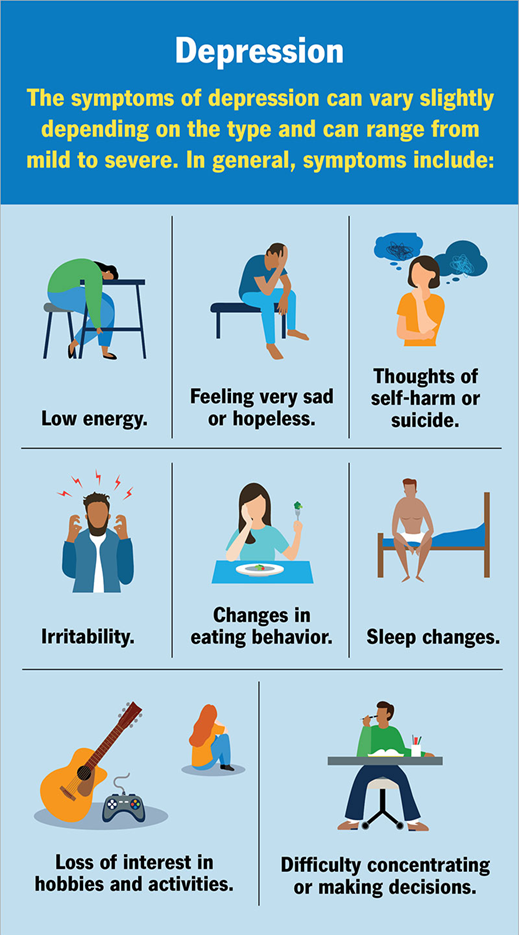
Feeling angry at the world is a common reaction to grief and loss. Anger is one of the stages of grief and does not necessarily indicate clinical depression. While it is important to monitor the client's emotional state, anger alone is not a definitive sign of depression.
Choice B reason:
Expressing a sense of numbness and an inability to feel emotions is a significant indicator of clinical depression. This symptom, known as anhedonia, reflects a loss of interest or pleasure in most activities and is a core feature of major depressive disorder. It is crucial to report this to the provider for further evaluation and intervention.
Choice C reason:
Acknowledging the importance of family support is a positive coping mechanism. This statement indicates that the client recognizes their support system, which is beneficial for managing grief. It does not suggest clinical depression.
Choice D reason:
Feeling that it will take a long time to be happy again is a normal part of the grieving process. Grief can be prolonged, and it is natural for clients to feel that their happiness is distant. This statement alone does not indicate clinical depression
Correct Answer is {"dropdown-group-1":"A","dropdown-group-2":"C"}
Explanation
The nurse should identify that the client’s diagnostic results and abdominal examination are consistent with sexual assault.
Choice A: The diagnostic results show a positive test for GHB (gamma-hydroxybutyric acid). GHB is a central nervous system depressant that is commonly referred to as a “club drug” or “date rape” drug. It is often used in cases of drugging and sexual assault due to its euphoric and calming effects at low doses. Larger doses can cause loss of consciousness and a type of short-term memory loss known as anterograde amnesia4. These effects have led sexual predators to use GHB as a date-rape drug.
Choice B: The client’s blood pressure is 128/88 mm Hg, which falls within the normal range of 90/60 mmHg to 120/80 mmHg. Therefore, the blood pressure does not provide any specific indication of sexual assault.
Choice C: the abdominal examination reveals tenderness, which could be a result of the assault. This, along with the client’s statement and physical signs such as bruising and broken fingernails, supports the client’s claim of sexual assault.
Choice D: The client’s temperature is 37°C (98.6°F), which is within the normal body temperature range of 97.8°F to 99.1°F (36.5°C to 37.3°C). Therefore, the temperature does not provide any specific indication of sexual assault.
Choice E: While the presence of GHB in the client’s system is a significant finding, it is part of the diagnostic results rather than a separate drug assessment. Therefore, this choice is not as accurate as Choice A (Diagnostic results).
Whether you are a student looking to ace your exams or a practicing nurse seeking to enhance your expertise , our nursing education contents will empower you with the confidence and competence to make a difference in the lives of patients and become a respected leader in the healthcare field.
Visit Naxlex, invest in your future and unlock endless possibilities with our unparalleled nursing education contents today