
For which of the following adverse effects should a nurse monitor a client taking citalopram?
Urinary retention
Decreased libido
Bruising
Jaundice
The Correct Answer is B
Choice A reason:
Urinary retention is not commonly associated with citalopram. Citalopram, an SSRI (Selective Serotonin Reuptake Inhibitor), primarily affects serotonin levels in the brain and does not typically impact the urinary system to the extent of causing retention.
Choice B reason:
Decreased libido is a known adverse effect of citalopram. SSRIs, including citalopram, can affect sexual function, leading to decreased libido, difficulty achieving orgasm, or erectile dysfunction. This is due to the increased serotonin levels which can negatively impact the sexual response cycle.
Choice C reason:
While bruising is not a hallmark side effect of citalopram, it can occur, especially if there is an interaction with other medications that affect blood clotting. Citalopram can potentially increase the risk of bleeding, and easy bruising may be a sign of this. However, it is less common than other side effects like sexual dysfunction.
Choice D reason:
Jaundice is not a typical adverse effect of citalopram. Jaundice usually indicates a problem with the liver, and while liver function abnormalities have been reported with citalopram use, they are rare. Monitoring for jaundice is not part of the routine assessment for patients on citalopram unless there is a pre-existing liver condition or concurrent use of other hepatotoxic drugs.
Nursing Test Bank
Naxlex Comprehensive Predictor Exams
Related Questions
Correct Answer is ["B","D","E"]
Explanation
Choice A reason:
Clients in mental health facilities generally have the right to refuse treatment, including prescribed medications, unless they are deemed incompetent to make decisions or pose an immediate danger to themselves or others. Forced medication is typically a last resort and requires legal and ethical considerations.
Choice B reason:
Clients have the right to the least restrictive environment necessary for their treatment. This means that they should not be subjected to more restrictive measures than are necessary for their safety and the safety of others. This principle is fundamental in mental health care to ensure that clients retain as much autonomy and freedom as possible.
Choice C reason:
Clients can withdraw consent after signing an informed consent form. Informed consent is an ongoing process, and clients have the right to change their minds about treatment at any time. This ensures that clients are always participating in their care voluntarily and with full understanding.
Choice D reason:
Clients maintain the right to an attorney. This right is crucial for protecting their legal interests, especially if they are involuntarily committed or if there are disputes about their treatment. Access to legal representation helps ensure that clients' rights are upheld.
Choice E reason:
Clients continue to have the right to privacy and confidentiality. This means that their personal and medical information must be protected and only shared with those directly involved in their care, unless the client gives permission or there is a legal requirement to disclose. Maintaining confidentiality is essential for building trust and ensuring that clients feel safe in sharing sensitive information.
Correct Answer is C
Explanation
Choice A reason:
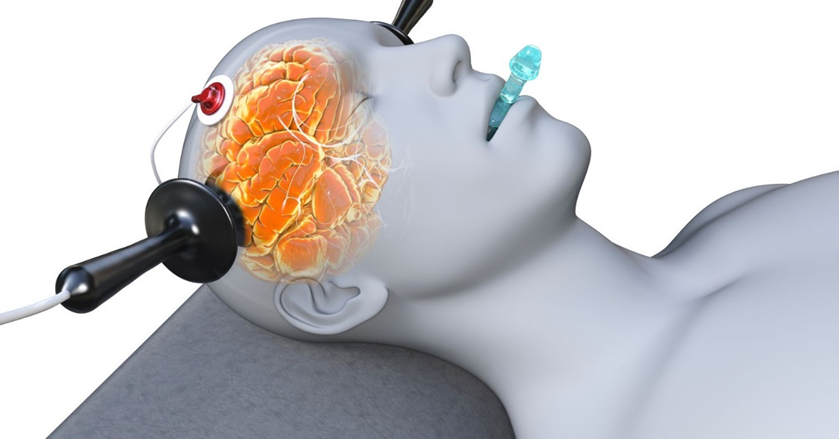
Electroconvulsive therapy (ECT) is not considered a cure for major depressive disorders. While ECT can be highly effective in alleviating symptoms of severe depression, it does not prevent future episodes. Patients often require ongoing treatment with medications or psychotherapy to maintain the benefits of ECT.
Choice B reason:
During ECT, the patient is not awake and alert. The procedure is performed under general anesthesia, meaning the patient is unconscious and does not feel the electrical stimulation or the induced seizure. This ensures the procedure is painless and the patient is unaware during the treatment.
Choice C reason:
It is common for patients to experience confusion for a few hours after ECT. This confusion is partly due to the anesthesia and partly due to the treatment itself. In most cases, the confusion resolves within a few hours, but it can sometimes last longer, especially in older adults.
Choice D reason:
ECT does not stimulate the vagus nerve. Vagus nerve stimulation (VNS) is a different treatment that involves using a device to send electrical impulses to the vagus nerve. ECT works by inducing a controlled seizure in the brain, which can help alleviate symptoms of severe depression.
Whether you are a student looking to ace your exams or a practicing nurse seeking to enhance your expertise , our nursing education contents will empower you with the confidence and competence to make a difference in the lives of patients and become a respected leader in the healthcare field.
Visit Naxlex, invest in your future and unlock endless possibilities with our unparalleled nursing education contents today