
A nurse is caring for a client who is receiving enteral tube feedings of a diluted formula. Which of the following complications of enteral tube feeding should the nurse identify as a reason to administer diluted feedings to clients?
Electrolyte imbalances
Diarrhea
Constipation
Delayed gastric emptying
The Correct Answer is B
A. Electrolyte imbalances
Administering diluted enteral feedings is not typically done to address electrolyte imbalances. Instead, monitoring the electrolyte levels in the patient's blood and adjusting the content of the enteral formula (such as adjusting the concentration of electrolytes) would be more appropriate.
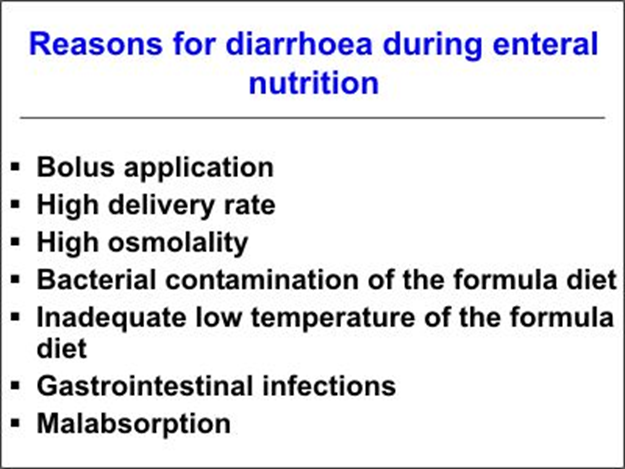
B. Diarrhea
Administering diluted enteral feedings is a strategy that may be employed to prevent or manage diarrhea. High concentrations of nutrients can overwhelm the gastrointestinal tract, leading to diarrhea. Diluting the formula helps reduce the risk of this complication.
C. Constipation
Administering diluted enteral feedings is not typically done to address constipation. Management of constipation is more commonly achieved through adjustments in fiber intake, fluid intake, and medications as needed.
D. Delayed gastric emptying
Administering diluted enteral feedings is not a standard approach for addressing delayed gastric emptying. Instead, adjustments in the rate of enteral feedings or specific interventions for delayed gastric emptying, such as medication or changes in positioning, would be considered.
Nursing Test Bank
Naxlex Comprehensive Predictor Exams
Related Questions
Correct Answer is D
Explanation
A. Noodles:
Noodles by themselves are typically a carbohydrate source and are lower in fat. However, it's essential to consider how they are prepared. If they are served with a high-fat sauce or other fatty ingredients, they may contribute to a higher fat intake.
B. Vegetable soup:
Vegetable soup, particularly if it is broth-based and contains a variety of vegetables, can be a healthy and lower-fat option. It provides vitamins, minerals, and fiber without a significant amount of fat.
C. Baked fish:
Baked fish is a lean source of protein and is generally lower in fat compared to fried or heavily processed options. The key is in the preparation method; baking is a healthier option than frying. However, it's essential to avoid high-fat toppings or sauces.
D. Cheddar cheese:
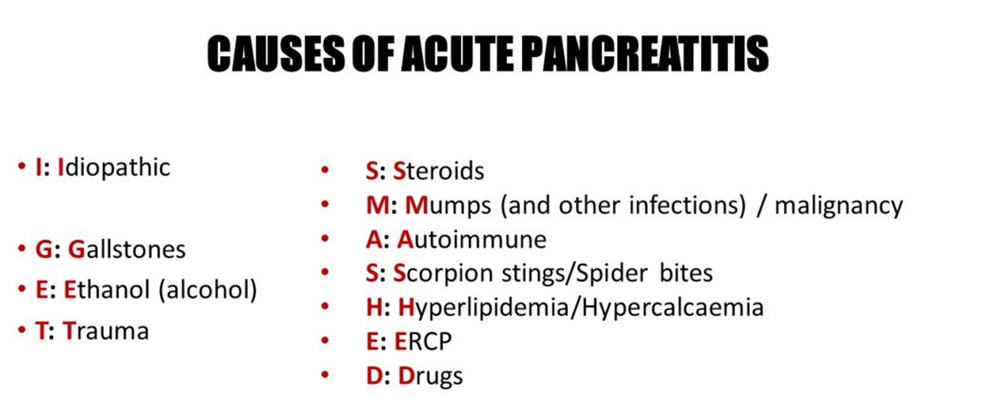
Cheddar cheese is a high-fat dairy product. Individuals with a history of pancreatitis are often advised to limit their fat intake, and high-fat foods like cheddar cheese can exacerbate symptoms. It's recommended to choose lower-fat or fat-free dairy alternatives.
Correct Answer is D
Explanation
A. “I don’t take naps throughout the day.”
This statement suggests that the client avoids daytime napping, which is generally a positive sleep habit. Excessive daytime napping can interfere with nighttime sleep.
B. “I go to bed and get up at the same times each day.”
Maintaining a consistent sleep schedule is a key component of good sleep hygiene. Going to bed and waking up at the same times helps regulate the body's internal clock.
C. “I have a small snack and take a bath before going to bed each day.”
Having a light snack and engaging in a relaxing activity like a bath before bedtime can contribute to a more conducive sleep environment. However, the type and timing of the snack should be considered.
D. “I watch television until I fall asleep at night.”
This statement may indicate a need for further instruction. Watching television right before bedtime, especially until falling asleep, can be counterproductive to good sleep hygiene due to the stimulating effects of the screen's blue light.
Whether you are a student looking to ace your exams or a practicing nurse seeking to enhance your expertise , our nursing education contents will empower you with the confidence and competence to make a difference in the lives of patients and become a respected leader in the healthcare field.
Visit Naxlex, invest in your future and unlock endless possibilities with our unparalleled nursing education contents today