
A nurse is caring for a client who is receiving enteral feedings via an NG tube. Which of the following actions should the nurse take prior to administering the formula?
Encourage the client to take sips of water.
Check for gastric residual volume.
Flush the tube with sterile 0.9% sodium chloride irrigation.
Encourage the client to breathe deeply and cough.
The Correct Answer is B
Before administering enteral feedings via an NG tube, the nurse should check for gastric residual volume to ensure that the client is able to tolerate the feeding. If the residual volume is high, it may indicate delayed gastric emptying and the feeding may need to be delayed or the rate adjusted.
a. Encouraging the client to take sips of water may help maintain hydration, but it is not necessary prior to administering enteral feedings.
c. Flushing the tube with sterile 0.9% sodium chloride irrigation can help maintain patency of the tube, but it is not necessary prior to administering enteral feedings.
d. Encouraging the client to breathe deeply and cough can help clear secretions from the lungs, but it is not necessary prior to administering enteral feedings.

Nursing Test Bank
Naxlex Comprehensive Predictor Exams
Related Questions
Correct Answer is A
Explanation
When a hospice nurse is visiting a client who has terminal cancer, the statement "I miss him so much already" by the client's partner should be recognized as an indication of anticipatory grief. Anticipatory grief is the grief that occurs before a loss and can include feelings of sadness, longing, and missing the person who is dying.
Option b is incorrect because anger is a common emotion during the grieving process but does not necessarily indicate anticipatory grief.
Option c is incorrect because planning for the future does not necessarily indicate anticipatory grief.
Option d is incorrect because not discussing funeral arrangements does not necessarily indicate anticipatory grief.
Correct Answer is A
Explanation
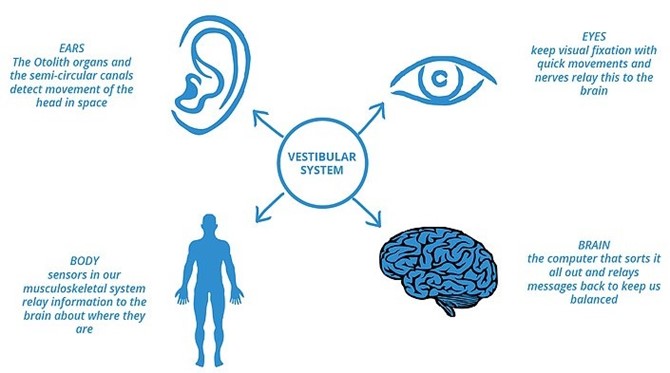
As individuals age, it is common for them to experience a decreased sense of balance. This can be attributed to age-related changes in the musculoskeletal system, sensory perception, and coordination. The inner ear, which plays a vital role in maintaining balance, undergoes natural degenerative changes over time. Additionally, age-related decline in muscle strength and flexibility can contribute to difficulties in maintaining balance. Therefore, a nurse assessing an older adult client should expect a decreased sense of balance as a common finding.
- Nighttime urinary incontinence: While nighttime urinary incontinence can occur in some older adults, it is not a universal finding. It is important to avoid making assumptions or generalizations about older adults experiencing urinary incontinence. Each individual's urinary function can vary, and incontinence can be influenced by various factors such as overall health, bladder capacity, medication use, and underlying medical conditions.
- Heightened sense of pain: Older adults may experience changes in pain perception due to age-related physiological changes and medical conditions. However, it is not a predictable or expected finding for all older adult clients. Pain perception can vary among individuals based on their overall health, chronic conditions, and individual pain thresholds. Therefore, while some older adults may experience heightened pain sensitivity, it is not a universal expectation.
- Increased nighttime sleeping: Sleep patterns can change with age, and older adults may experience alterations in their sleep-wake cycles. However, increased nighttime sleeping is not a definitive finding that applies to all older adult clients. Sleep patterns can vary greatly among individuals, and some older adults may experience decreased sleep duration or disrupted sleep rather than increased nighttime sleeping.
In summary, the nurse should expect a decreased sense of balance as a common finding when assessing an older adult client. It is important to approach each individual as unique and recognize that other findings such as nighttime urinary incontinence, heightened sense of pain, or increased nighttime sleeping may or may not be present, as they can vary among older adults based on individual factors.
Whether you are a student looking to ace your exams or a practicing nurse seeking to enhance your expertise , our nursing education contents will empower you with the confidence and competence to make a difference in the lives of patients and become a respected leader in the healthcare field.
Visit Naxlex, invest in your future and unlock endless possibilities with our unparalleled nursing education contents today