
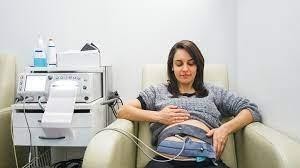
A nurse is caring for a client who is at 34 weeks of gestation and is preparing to undergo a nonstress test. Which of the following actions should the nurse take?
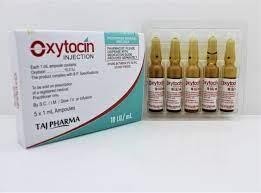
Instruct the client that oxytocin is administered during the procedure.
Inform the client that this procedure assists in indicating Down syndrome.
Assist the client to a lateral tilt position prior to the procedure.
Ensure the client has been NPO for 6 hr prior to the procedure.
The Correct Answer is C
A) Incorrect- Oxytocin is not typically administered during a nonstress test.
B) Incorrect- A nonstress test is used to assess fetal well-being and does not indicate Down syndrome.
C) Correct - A lateral tilt position (usually left lateral tilt) is recommended during a nonstress test to prevent compression of the vena cava and maintain proper blood flow to the uterus, which can optimize fetal heart rate monitoring.
D) Incorrect- NPO status is not typically required for a nonstress test. Nonstress tests are non-invasive and do not involve fasting.
Nursing Test Bank
Naxlex Comprehensive Predictor Exams
Related Questions
Correct Answer is C
Explanation
A) Incorrect- Calcium is important for bone health but is not directly related to increasing maternal blood volume.
B) Incorrect- Vitamin E is an antioxidant that helps protect cells from damage but is not directly related to increasing maternal blood volume.
C) Correct - Iron is essential for hemoglobin production, which is necessary to support the increase in maternal blood volume during pregnancy.
D) Incorrect- Vitamin D is important for bone health and calcium absorption but is not directly related to increasing maternal blood volume.

Correct Answer is C
Explanation
A) Incorrect- Nifedipine is a calcium channel blocker used for conditions like high blood pressure, not for controlling postpartum bleeding.
B) Incorrect- Terbutaline is a bronchodilator and is not typically used for postpartum bleeding.
C) Correct - Oxytocin is a uterotonic medication often used to control excessive bleeding after childbirth. It helps the uterus contract and reduces the risk of postpartum hemorrhage.
D) Incorrect- Betamethasone is a corticosteroid used to enhance fetal lung maturity when given to pregnant clients at risk of preterm birth
Whether you are a student looking to ace your exams or a practicing nurse seeking to enhance your expertise , our nursing education contents will empower you with the confidence and competence to make a difference in the lives of patients and become a respected leader in the healthcare field.
Visit Naxlex, invest in your future and unlock endless possibilities with our unparalleled nursing education contents today