
A nurse is caring for a client who has hyperemesis gravidarum. Which of the following laboratory tests should the nurse anticipate?
Urine culture
Rapid plasma reagin
Prothrombin time
Urine ketones
The Correct Answer is D
The nurse should anticipate a urine ketones test for a client who has hyperemesis gravidarum. This test is used to monitor the client's ketone levels, which can increase as a result of excessive vomiting and nausea that can cause dehydration and malnutrition. The other tests mentioned are not typically associated with hyperemesis gravidarum.
Nursing Test Bank
Naxlex Comprehensive Predictor Exams
Related Questions
Correct Answer is D
Explanation
The newborn who is 10 hr old and has new onset tachypnea should be assessed first as this could indicate a respiratory distress, which requires immediate intervention. The other options are concerning but not as urgent as respiratory distress.
A newborn with a short frenulum and difficulty breastfeeding can be assessed after the respiratory distress is addressed.
A newborn who is 24 hr old and has not had a meconium stool should be assessed for bowel sounds and abdominal distension, but it is not as urgent as respiratory distress. A newborn who is 30 hr old and has blood-tinged discharge in her diaper can be assessed after the respiratory distress is addressed. The blood-tinged discharge could be due to the infant's mother passing her own vaginal blood to the infant or a minor vaginal laceration during delivery.
Correct Answer is C
Explanation
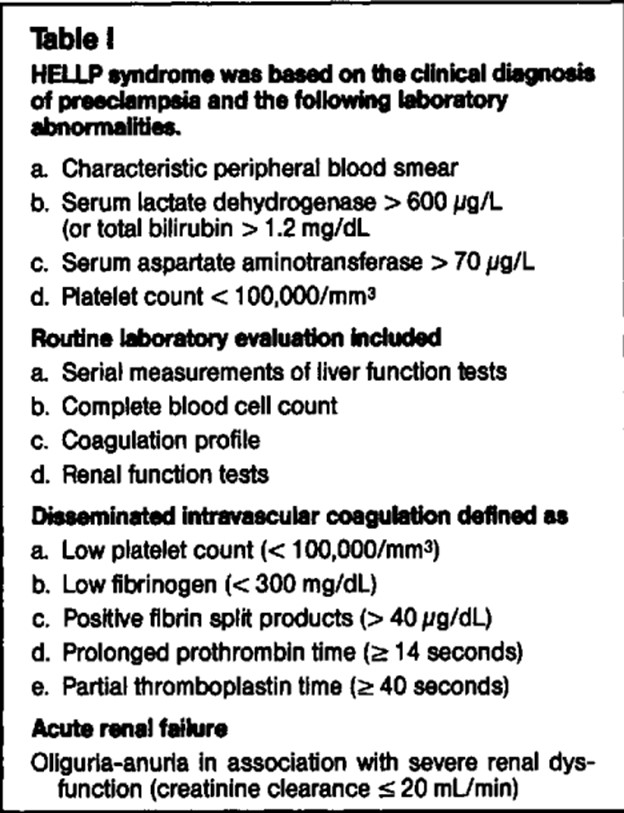
The nurse should report a platelet count of 60,000/mm to the provider as this value is below the normal range and can indicate severe preeclampsia or HELLP syndrome, both of which are serious conditions that require immediate medical intervention. The other values are within normal range for pregnancy.
Whether you are a student looking to ace your exams or a practicing nurse seeking to enhance your expertise , our nursing education contents will empower you with the confidence and competence to make a difference in the lives of patients and become a respected leader in the healthcare field.
Visit Naxlex, invest in your future and unlock endless possibilities with our unparalleled nursing education contents today