
A nurse is caring for a client who has cancer and is receiving total parenteral nutrition (TPN). Which of the following lab values indicates the treatment is effective?
Albumin 4.2 g/dL
Calcium 9.4 mg/dL
Hct 43%
WBC 8,000/uL
The Correct Answer is A
A. Albumin is a protein that is produced by the liver and is a good indicator of nutritional status. TPN is intended to provide adequate nutrition to the patient, so an increase in albumin levels would indicate that the treatment is effective.
B. Calcium levels are not directly related to the effectiveness of TPN. Calcium levels can be affected by a variety of factors and are not a specific marker for the effectiveness of TPN.
C. Hematocrit (Hct) measures the percentage of red blood cells in the blood. It is not directly related to the effectiveness of TPN.
D. White blood cell count (WBC) is a marker of immune function and is not directly related to the effectiveness of TPN.
Nursing Test Bank
Naxlex Comprehensive Predictor Exams
Related Questions
Correct Answer is B
Explanation
A. Protamine is used to reverse the effects of heparin, not warfarin.
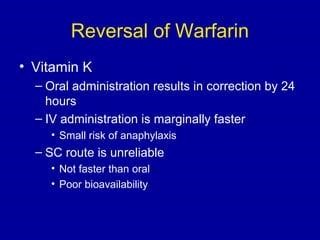
B. Vitamin K is the antidote for warfarin overdose, as it promotes the synthesis of clotting factors that are inhibited by warfarin.
C. Atropine is used to treat bradycardia and other conditions, but it is not used to reverse the effects of warfarin.
D. Epinephrine is used to treat severe allergic reactions (anaphylaxis) and cardiac arrest, but it is not used to reverse the effects of warfarin.
Correct Answer is A
Explanation
A. Albumin is a protein that is produced by the liver and is a good indicator of nutritional status. TPN is intended to provide adequate nutrition to the patient, so an increase in albumin levels would indicate that the treatment is effective.
B. Calcium levels are not directly related to the effectiveness of TPN. Calcium levels can be affected by a variety of factors and are not a specific marker for the effectiveness of TPN.
C. Hematocrit (Hct) measures the percentage of red blood cells in the blood. It is not directly related to the effectiveness of TPN.
D. White blood cell count (WBC) is a marker of immune function and is not directly related to the effectiveness of TPN.
Whether you are a student looking to ace your exams or a practicing nurse seeking to enhance your expertise , our nursing education contents will empower you with the confidence and competence to make a difference in the lives of patients and become a respected leader in the healthcare field.
Visit Naxlex, invest in your future and unlock endless possibilities with our unparalleled nursing education contents today