
A nurse is caring for a client scheduled to receive external radiation to the neck for cancer of the larynx. During a pre-treatment exam, the nurse explains to the client that the most likely side effect would be
Infertility.
Diarrhea.
Dysphagia.
Dyspnea.
The Correct Answer is C
A. While infertility can be a side effect of radiation therapy, it is not the most likely side effect for a client receiving radiation to the neck for laryngeal cancer.
B. Diarrhea is not a common side effect of radiation therapy to the neck.
C. Dysphagia, or difficulty swallowing, is a common side effect of radiation therapy to the neck, especially when the radiation affects the throat or esophagus.
D. Dyspnea, or difficulty breathing, is not a common side effect of radiation therapy to the neck, although it may occur if the radiation affects the lungs.
Nursing Test Bank
Naxlex Comprehensive Predictor Exams
Related Questions
Correct Answer is D
Explanation
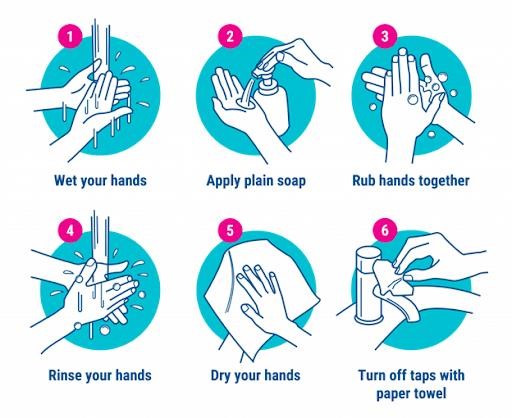
A. Rubbing hands and arms to dry is not a step in the hand hygiene process. After washing, the hands should be dried thoroughly with a clean towel or air dryer.
B. Adjusting the water temperature to feel hot is not necessary for effective hand hygiene. The water should be warm, but not hot, to avoid skin damage.
C. Holding the hands higher than the elbows is not a step in the hand hygiene process.
D. Applying 4 to 5 mL of liquid soap to the hands is the correct amount of soap to use for effective hand hygiene. The soap should be rubbed onto the hands and wrists for at least 20 seconds before rinsing thoroughly with water.
Correct Answer is C
Explanation
A. This statement suggests a delusion or hallucination, which are common symptoms of some mental disorders, but it does not specifically suggest an inability to process new information.
B. This statement suggests paranoia, which is a common symptom of some mental disorders, but it does not specifically suggest an inability to process new information.
C. This statement suggests difficulty with memory, which is a cognitive function that is related to the ability to process new information.
D. This statement suggests a persistent negative mood, which is a symptom of some mental disorders, but it does not specifically suggest an inability to process new information.
Whether you are a student looking to ace your exams or a practicing nurse seeking to enhance your expertise , our nursing education contents will empower you with the confidence and competence to make a difference in the lives of patients and become a respected leader in the healthcare field.
Visit Naxlex, invest in your future and unlock endless possibilities with our unparalleled nursing education contents today