
A nurse is caring for a client following a vacuum-assisted birth. The nurse should monitor the client for which of the following complications related to vacuum-assisted birth?
Constipation
Urinary urgency
Cervical laceration
Retained placenta
The Correct Answer is C
A. Constipation is not a common complication of vacuum-assisted birth. It may be related to other factors such as dehydration, opioid use, or decreased mobility.
B. Urinary urgency is not a common complication of vacuum-assisted birth. It may be related to other factors such as bladder trauma, infection, or diuretic use.
C. Cervical laceration is a common complication of vacuum-assisted birth. It occurs when the vacuum cup causes damage to the cervix during delivery. It can lead to bleeding, infection, or cervical incompetence in future pregnancies.
D. Retained placenta is not a common complication of vacuum-assisted birth. It may be related to other factors such as placenta accreta, uterine atony, or manual removal of the placenta.
Nursing Test Bank
Naxlex Comprehensive Predictor Exams
Related Questions
Correct Answer is C
Explanation
A. Incorrect. Obtaining capillary blood glucose level every 2 hr is appropriate for a client who has type 1 diabetes mellitus, but it does not address the ankle injury.
B. Incorrect. Checking the neurovascular status of the client's lower extremities every hour is important for a client who has an ankle injury, but it does not require clarification with the provider.
C. Correct. Applying a cold pack to the client's ankle for 30 min every hour can reduce swelling and inflammation, but it can also impair circulation and increase the risk of tissue damage in a client who has diabetes mellitus. Therefore, the nurse should clarify this prescription with the provider before implementing it.
D. Incorrect. Maintaining the affected ankle elevated and immobilized can help prevent further injury and promote healing, but it does not require clarification with the provider.
Correct Answer is D
Explanation
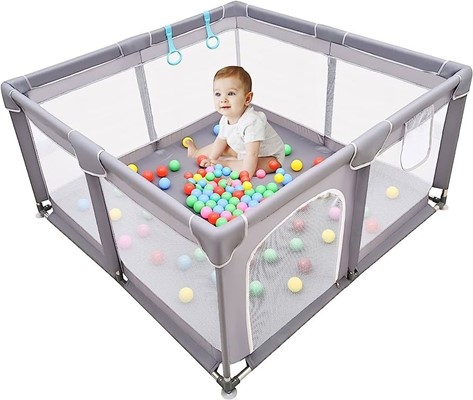
- A playpen is a portable enclosure that provides a confined space for a child to play in. It can be useful for keeping a child safe and supervised when the caregiver is busy or needs a break, but it should not be used as a substitute for active play or interaction with the caregiver or others.
- A 2-year-old child is in the developmental stage of toddlerhood, which is characterized by rapid physical, cognitive, social, and emotional growth. Toddlers are curious and eager to learn about the world around them, and they need opportunities to explore, experiment, and manipulate objects and materials. They also need stimulation, guidance, and feedback from their caregivers and peers to develop their language, problem-solving, and social skills.
- Keeping a 2-year-old child in a playpen for long periods of time or to prevent them from getting dirty can have negative effects on their development and well-being. It can limit their physical activity, creativity, and independence, and it can cause boredom, frustration, or resentment . It can also interfere with their atachment and bonding with their caregiver, as well as their self-esteem and self-image.
- Therefore, the practical nurse (PN) should use the statement "Children need time to actively explore their environment" in responding to this concern about using a playpen. This statement reflects the developmental needs and rights of the child, and it encourages the caregiver to provide a more stimulating and supportive environment for the child. It also implies that getting dirty is not a problem, but rather a natural and healthy part of play and learning.
- Therefore, option D is the correct answer, while options A, B, and C are incorrect. Option A is incorrect because it is judgmental and may offend or discourage the caregiver.
Option B is incorrect because it is not true that playpens provide a sense of security for the child, as they may feel isolated or restricted in them.
Option C is incorrect because it is not true that playpens provide a safe environment for a toddler, as they may pose hazards such as entrapment, suffocation, or injury from falling or climbing out of them.
Whether you are a student looking to ace your exams or a practicing nurse seeking to enhance your expertise , our nursing education contents will empower you with the confidence and competence to make a difference in the lives of patients and become a respected leader in the healthcare field.
Visit Naxlex, invest in your future and unlock endless possibilities with our unparalleled nursing education contents today