
A nurse is assisting with the care of a client who is receiving heparin by IV infusion.
Which of the following medications should the nurse have available in the event of an overdose?
Protamine.
Glucagon.
Oxygen.
Insulin.
The Correct Answer is A
Protamine is a medication that can be used to reverse the effects of heparin in the event of an overdose.
It binds to heparin and neutralizes its anticoagulant effects.
Choice B is not correct because glucagon is used to treat low blood sugar, not heparin overdose.
Choice C is not correct because oxygen is not a medication and is not used to treat heparin overdose.
Choice D is not correct because insulin is used to lower high blood sugar levels, not to treat heparin overdose.
Nursing Test Bank
Naxlex Comprehensive Predictor Exams
Related Questions
Correct Answer is A
Explanation
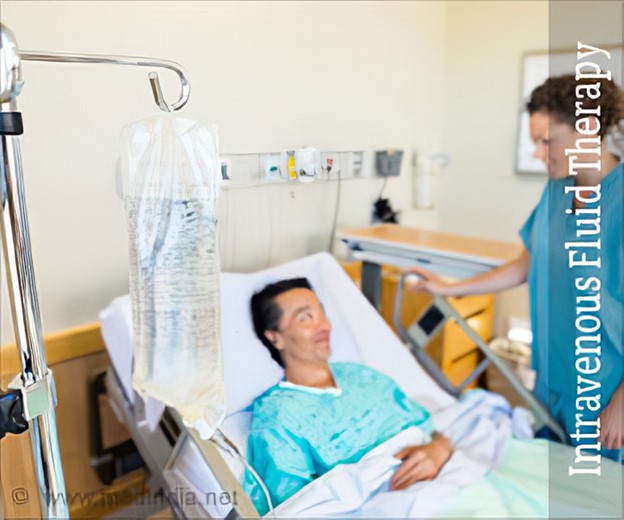
To calculate the rate at which the volumetric pump should be set to deliver the intravenous fluids, you need to divide the total volume of fluid (3,000 mL) by the total time in hours (24 hours).
This gives you 3,000 mL ÷ 24 hours = 125 mL/hr.
Therefore, the nurse should set the volumetric pump to deliver 125 mL of fluid per hour.
Choice B is incorrect because 130 mL/hr would result in a total of 3,120 mL over 24 hours.
Choice C is incorrect because 135 mL/hr would result in a total of 3,240 mL over 24 hours.
Choice D is incorrect because 140 mL/hr would result in a total of 3,360 mL over 24 hours.
Correct Answer is ["A","C"]
Explanation
A client who has an understanding of the manifestations of hyperglycemia would know that their breath may have a fruity odor.
This is due to the presence of ketones, which are produced when the body breaks down fat for energy instead of using glucose.
Choice A is also correct.
Blurry vision can be a symptom of hyperglycemia.
High blood sugar levels can cause the lens of the eye to swell, leading to changes in vision.
Choice B is incorrect because hyperglycemia can cause an increase in appetite, not a decrease.
Choice D is incorrect because hyperglycemia can cause an increase in thirst, not a decrease.
This is due to the body’s attempt to flush out excess glucose through increased urination, which can lead to dehydration and increased thirst.
Whether you are a student looking to ace your exams or a practicing nurse seeking to enhance your expertise , our nursing education contents will empower you with the confidence and competence to make a difference in the lives of patients and become a respected leader in the healthcare field.
Visit Naxlex, invest in your future and unlock endless possibilities with our unparalleled nursing education contents today