
A nurse is assisting in the care of a client in a provider's office.
A nurse is planning care for the client. Which of the following prescriptions should the nurse anticipate the provider to prescribe?
Select all that apply.
Administer a diuretic.
Limit alcohol intake to 2 drinks per day.
Keep daily fat intake to less than 35%
Place on 2300 mg sodium diet.
Administer an antibiotic
Limit foods high in potassium.
Correct Answer : A,B,C,D
A. The client has hypertension and high sodium levels, indicating fluid retention, so a diuretic may be prescribed to help manage these conditions.
B. The client reports difficulty sleeping without drinking several beers a night, indicating a potential alcohol problem. Limiting alcohol intake is a common recommendation for clients with this issue.
C. The client has elevated LDL cholesterol, indicating high-fat intake, so limiting fat intake can help manage this.
D. The client has elevated sodium levels, so reducing sodium intake can help manage this.
E. There is no indication for an antibiotic prescription based on the client's symptoms and lab results.
F. There is no indication of high potassium levels, so limiting foods high in potassium is not necessary.
Nursing Test Bank
Naxlex Comprehensive Predictor Exams
Related Questions
Correct Answer is B
Explanation
Rationale:
A. This response is judgmental and may cause the client to feel guilty or defensive.
B. This response shows empathy and respect for the client's decision.
C. This response may be appropriate if the client needs further information or counseling but should not be the initial response.
D. This response is confrontational and may cause the client to become defensive.
Correct Answer is B
Explanation
Rationale:
A. A stoma that protrudes slightly from the abdomen is normal after colostomy surgery.
B. A stoma that appears dark in color may indicate compromised blood flow and should be reported to the provider.
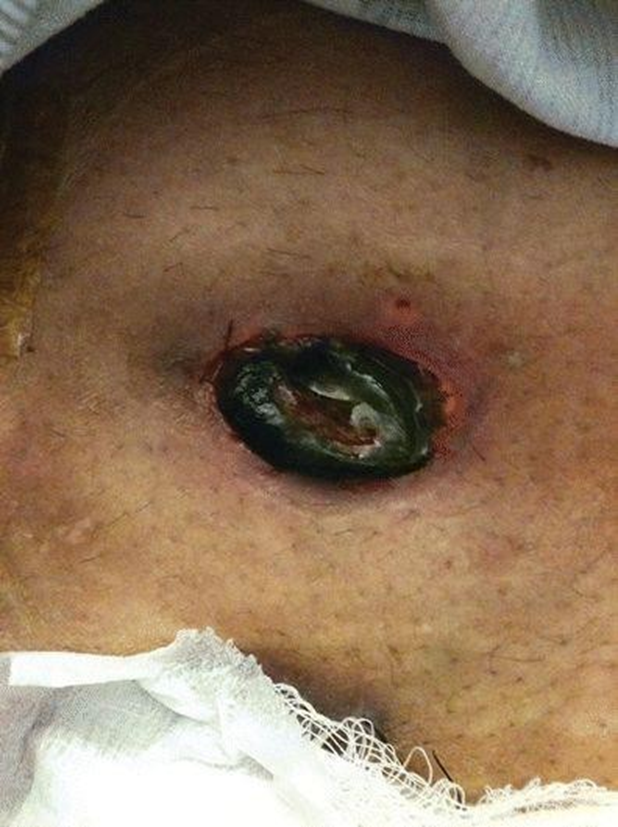
C. A stoma that bleeds lightly when touched is normal after colostomy surgery.
D. A stoma that is draining a small amount of liquid stool is normal after colostomy surgery.
Whether you are a student looking to ace your exams or a practicing nurse seeking to enhance your expertise , our nursing education contents will empower you with the confidence and competence to make a difference in the lives of patients and become a respected leader in the healthcare field.
Visit Naxlex, invest in your future and unlock endless possibilities with our unparalleled nursing education contents today