
A nurse is assessing a newborn who was born 2 hr ago and was admitted to the neonatal intensive care unit with chest wall retractions and blue discoloration of the hands and feet. Which of the following findings indicates a decline in the newborn's status?
Apneic episode less than 15 seconds
Fine crackles
Oxygen saturation of 89%
Nasal flaring
The Correct Answer is C
Rationale:
A. An apneic episode less than 15 seconds may be considered within normal limits for a newborn and does not necessarily indicate a decline in status.
B. Fine crackles may indicate fluid in the lungs but are not specific to a decline in the newborn's status.
C. An oxygen saturation of 89% indicates hypoxemia, which is a significant concern and suggests respiratory compromise. It indicates a decline in the newborn's status and requires immediate intervention to improve oxygenation.
D. Nasal flaring is a sign of respiratory distress but may not be as concerning as a low oxygen saturation level in this context. It indicates increased work of breathing but does not provide direct information about oxygenation status.
Nursing Test Bank
Naxlex Comprehensive Predictor Exams
Related Questions
Correct Answer is C
Explanation
Rationale:
A. This question addresses pelvic pressure, which may not directly relate to the effectiveness of the hands-and-knees position for occipitoposterior fetal positioning.
B. The spacing of contractions is not typically affected by maternal positioning and therefore is not the most appropriate question to evaluate the effectiveness of this intervention.
C. Asking about improvement in back labor is pertinent because the hands-and-knees position can help alleviate back pain associated with occipitoposterior fetal positioning.
D. Suprapubic pain is not typically associated with occipitoposterior fetal positioning, so this question may not provide useful information regarding the effectiveness of the intervention.
Correct Answer is B
Explanation
Rationale:
A. Polycythemia: Polycythemia, an elevated red blood cell count, is not typically associated with forceps-assisted birth.
B. Facial palsy:
Correct answer. Facial palsy, or weakness or paralysis of facial muscles, can occur as a complication of forceps-assisted birth due to pressure or trauma to the facial nerve during delivery.
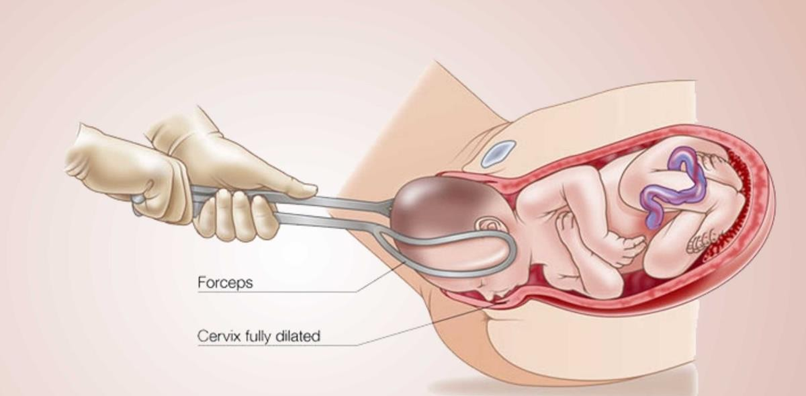
C. Bronchopulmonary dysplasia: Bronchopulmonary dysplasia is a lung condition primarily affecting premature infants and is not directly related to the method of delivery.
D. Hypoglycemia: Hypoglycemia, low blood sugar levels, can occur in newborns for various reasons but is not specifically associated with forceps-assisted birth unless there are other complicating factors.
Whether you are a student looking to ace your exams or a practicing nurse seeking to enhance your expertise , our nursing education contents will empower you with the confidence and competence to make a difference in the lives of patients and become a respected leader in the healthcare field.
Visit Naxlex, invest in your future and unlock endless possibilities with our unparalleled nursing education contents today