
A nurse is assessing a client for manifestations of pain. Which of the following findings is an objective indicator of pain?
The client rates their pain as an 8 on a scale of 0 to 10.
The client states the pain is located on their abdomen.
The client reports a burning sensation.
The client grimaces when they move.
The Correct Answer is D
Answer: D. The client grimaces when they move.
Rationale:
A) The client rates their pain as an 8 on a scale of 0 to 10:
Pain ratings provided by the client are subjective and reflect their personal experience and perception of pain. While important for assessing pain severity, this rating is based on the client's personal report rather than observable evidence.
B) The client states the pain is located on their abdomen:
The location of pain, as reported by the client, is subjective information. It is based on the client's personal experience and cannot be objectively measured or observed by the nurse.
C) The client reports a burning sensation:
Describing the sensation of pain, such as a burning feeling, is a subjective experience. This description provides valuable information about the nature of the pain but does not serve as an objective indicator.
D) The client grimaces when they move:
Observing a grimace is an objective indicator of pain. It is a visible, physical response that the nurse can see and document, indicating that the client is experiencing discomfort or pain. Objective indicators are observable signs that can be noted by healthcare providers.
Nursing Test Bank
Naxlex Comprehensive Predictor Exams
Related Questions
Correct Answer is D
Explanation
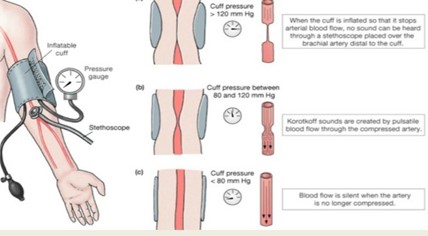
When taking an electronic blood pressure measurement, it is important to properly position the cuff on the client’s arm. The artery indicator on the blood pressure cuff should be aligned with the client’s brachial artery1. It is also important to select a cuff that fits properly and to have the client sit comfortably with their back supported and feet flat on the ground2.
Correct Answer is A
Explanation
The client acquired the infection through indirect contact transmission by touching a contaminated towel. Indirect contact transmission occurs when a person comes into contact with an object or surface that has been contaminated with infectious agents.
Whether you are a student looking to ace your exams or a practicing nurse seeking to enhance your expertise , our nursing education contents will empower you with the confidence and competence to make a difference in the lives of patients and become a respected leader in the healthcare field.
Visit Naxlex, invest in your future and unlock endless possibilities with our unparalleled nursing education contents today