
A nurse is assessing a child who has measles. Which of the following areas should the nurse inspect for Koplik spots? (You will find hot spots to select in the artwork below. Select only the hot spot that corresponds to your answer.)
A
B
C
D
The Correct Answer is {"xRanges":[202.765625,242.765625],"yRanges":[264.609375,304.609375]}
A. This is not the site where kolpik spots are located.
B. This is not the site where kolpik spots are located.
C. Koplik spots are small, white or bluish-white spots that appear on the inside of the cheeks, usually opposite the lower molars, in people who have measles. They are a sign of the infection and can be seen one to four days before the skin rash develops. They are surrounded by a red ring and look like grains of salt. Koplik spots are very helpful for diagnosing measles, especially when other diseases have similar symptoms.
D. This is not the site where kolpik spots are located.
Nursing Test Bank
Naxlex Comprehensive Predictor Exams
Related Questions
Correct Answer is C
Explanation
A. Allowing the infant to self-soothe by crying prior to feeding is not appropriate, as it may lead to increased stress and fatigue, which can worsen heart failure symptoms.
B. Placing the infant in an upright position during feeding helps to reduce the risk of aspiration and promotes effective swallowing.
C. Infants with heart failure have a weakened heart that struggles to pump blood efficiently. Feeding can be tiring for them, and they might not be able to consume large volumes at once. A smaller, more frequent feeding schedule allows them to take in enough calories without overexertion. This approach helps manage their energy expenditure and reduces stress on the heart.
D. While some infants might take longer to feed, heart failure can make feeding tiring. Offering smaller, more frequent feedings can help the infant consume enough calories without expending too much energy.
Correct Answer is C
Explanation
A. Visual analog scales may not be appropriate for toddlers who are cognitively impaired and unable to understand abstract concepts.
B. FACES pain scale relies on the child's ability to express emotions through facial expressions, which may be limited in cognitively impaired toddlers.
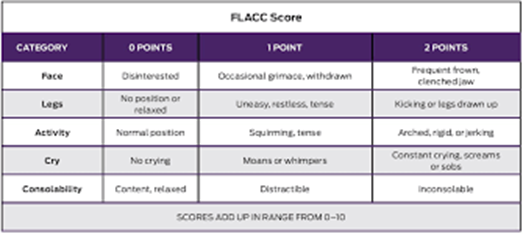
C. FLACC (Face, Legs, Activity, Cry, Consolability) pain scale is a validated tool for assessing pain in young children, including those who are cognitively impaired.
D. CRIES pain scale is typically used for neonates and infants up to 6 months of age and may not be suitable for toddlers.
Whether you are a student looking to ace your exams or a practicing nurse seeking to enhance your expertise , our nursing education contents will empower you with the confidence and competence to make a difference in the lives of patients and become a respected leader in the healthcare field.
Visit Naxlex, invest in your future and unlock endless possibilities with our unparalleled nursing education contents today