
A nurse in a pediatric clinic is providing teaching to the guardian of an infant who has a new prescription for digoxin. Which of the following manifestations should the nurse include as an indication of digoxin toxicity?
Bradycardia
Jaundice
Diaphoresis
Polyuria
The Correct Answer is A
Choice A Reason:
Bradycardia is correct. This is because bradycardia, or a slower than normal heart rate, can indeed be an indicator of digoxin toxicity. Digoxin is a medication that affects the heart's rhythm, and toxicity can lead to an excessively slow heart rate among other symptoms.
Choice B Reason:
Jaundice is incorrect. Jaundice, characterized by yellowing of the skin and eyes due to elevated bilirubin levels, is not commonly associated with digoxin toxicity. It's more indicative of liver-related issues rather than digoxin toxicity.
Choice C Reason:
Diaphoresis is incorrect. Diaphoresis, or excessive sweating, is not typically a primary symptom of digoxin toxicity. While various medications or medical conditions can cause diaphoresis, it's not a common indicator of digoxin toxicity.
Choice D Reason:
Polyuria is incorrect. Polyuria, excessive urination, is not a typical symptom of digoxin toxicity. It's not a direct effect of the medication on the body's systems.
Nursing Test Bank
Naxlex Comprehensive Predictor Exams
Related Questions
Correct Answer is ["C","D","E"]
Explanation
Choice A Reason:
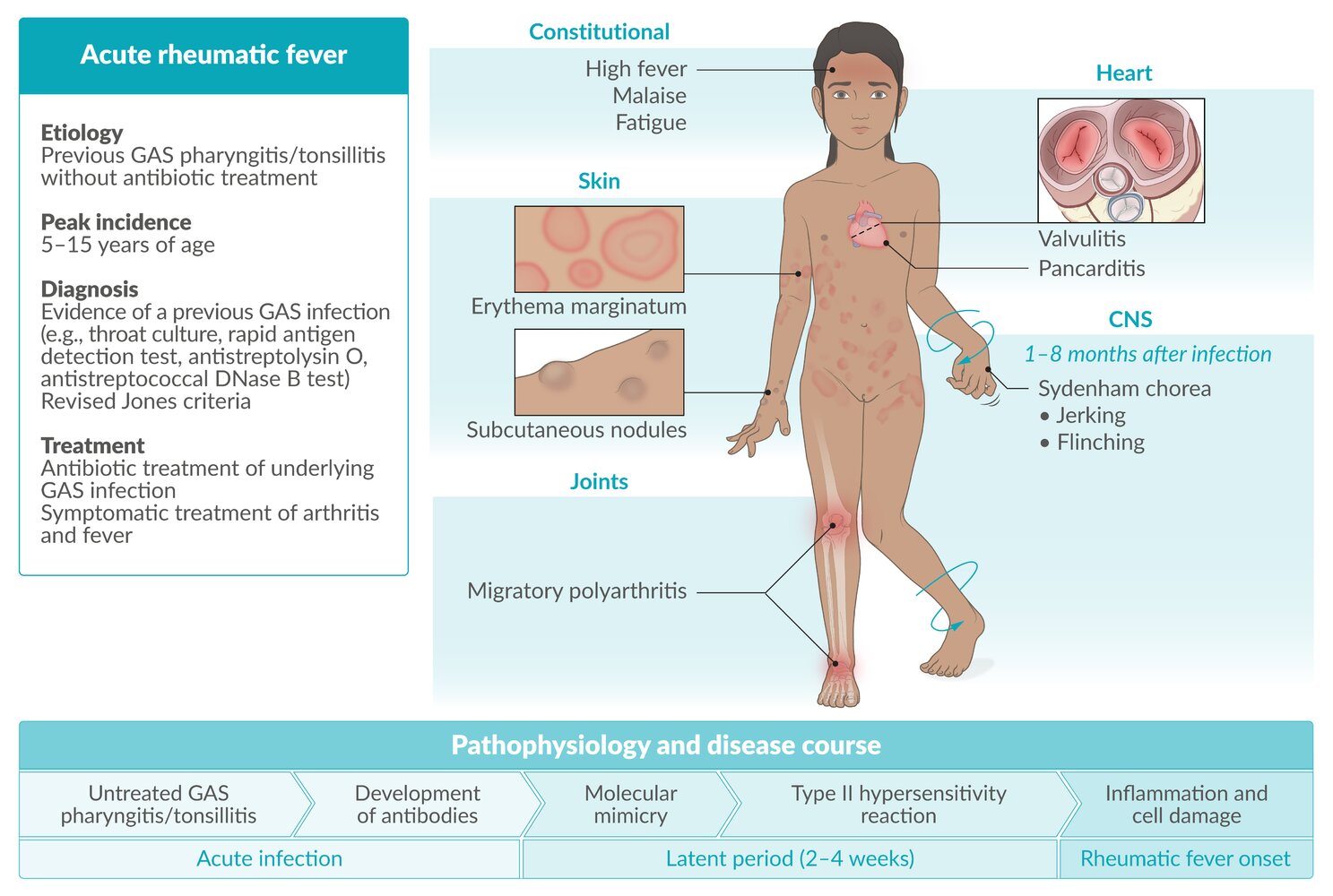
Partial thromboplastin time (PTT): PTT is a test that evaluates the blood's ability to clot properly. While rheumatic fever can involve inflammation affecting various systems, it's not directly associated with significant changes in coagulation parameters like PTT.
Choice B Reason:
Blood urea nitrogen (BUN): BUN measures the amount of nitrogen in the blood that comes from urea, a waste product of the liver's metabolism of protein. It's commonly used to assess kidney function and hydration status. Rheumatic fever primarily involves inflammatory processes affecting the heart, joints, skin, and nervous system, and it typically doesn't have a direct impact on BUN levels.
Choice C Reason:
Erythrocyte sedimentation rate (ESR): Elevated ESR is a non-specific marker of inflammation and can be elevated in rheumatic fever due to the inflammatory response.
Choice D Reason:
C-reactive protein (CRP): Similar to ESR, CRP is an acute-phase reactant and tends to rise in response to inflammation, so elevated CRP levels can indicate an inflammatory process like rheumatic fever.
Choice E Reason:
Antistreptolysin O (ASO) titer: This test measures antibodies produced by the body against streptolysin O, a toxin produced by Streptococcus bacteria. Elevated ASO titers can indicate a recent streptococcal infection, which is a predisposing factor for rheumatic fever.
Correct Answer is B
Explanation
Choice A Reason:
Moisten the mucosa with lemon glycerin swabs. Lemon glycerin swabs might be too acidic and can cause irritation or discomfort in oral ulcers. Using them could exacerbate the toddler's condition.
Choice B Reason:
Cleanse the gums with saline-soaked gauze. This action can help maintain oral hygiene and reduce the risk of infection in the oral ulcers. Saline is gentle and can help keep the affected area clean without causing further irritation.
Choice C Reason:
Administer oral viscous lidocaine. Lidocaine is a local anesthetic that may be used in some cases for pain relief, but its use in oral ulcers for toddlers might not be recommended due to potential risks and concerns about ingestion, especially in young children.
Choice D Reason:
Schedule routine oral care every hour. While oral care is essential, performing it too frequently (every hour) might cause more discomfort and irritation to the already sensitive oral ulcers. Gentle, regular care is important, but excessive cleaning can be detrimental.
Whether you are a student looking to ace your exams or a practicing nurse seeking to enhance your expertise , our nursing education contents will empower you with the confidence and competence to make a difference in the lives of patients and become a respected leader in the healthcare field.
Visit Naxlex, invest in your future and unlock endless possibilities with our unparalleled nursing education contents today