
A nurse in a mental health facility is admitting a client.
A nurse is caring for a client who was admitted for alcohol use disorder. Which of the following findings require follow-up by the nurse? Select all that apply.
Blood alcohol level
Client's recent loss
Smoking history
Client's recent consumption of alcohol
Cardiac assessment
Neurological assessment
Genitourinary assessment
Respiratory assessment
Gastrointestinal assessment
Correct Answer : A,B,D,F,I
A. The blood alcohol level of 510 mg/dL indicates severe intoxication and requires monitoring for potential complications, such as respiratory depression or alcohol withdrawal.
B. The client's recent loss of both parents is significant and may contribute to the relapse of alcohol use disorder. It warrants further assessment of the client's coping mechanisms and emotional state.
C. Smoking history:
While the client's smoking history may be relevant to their overall health, it is not a priority for follow-up in this scenario where the client's alcohol intoxication and potential withdrawal symptoms are the primary concerns.
D. The client's recent consumption of alcohol, as reported by the family member, is crucial information for assessing the risk of alcohol withdrawal and planning appropriate
interventions.
E. Cardiac assessment:
The client's vital signs indicate normal sinus rhythm and stable blood pressure, suggesting no acute cardiac issues at present. Given the focus on alcohol intoxication and potential withdrawal, a comprehensive cardiac assessment is not immediately warranted.
F. The neurological assessment is essential to monitor for signs of alcohol withdrawal, such as tremors, hallucinations, or seizures, given the client's history of alcohol use disorder and current intoxication.
G. Genitourinary assessment:
While assessing the genitourinary system is important in a comprehensive nursing assessment, there are no indications in the provided information to suggest acute genitourinary issues requiring immediate follow-up. The client's current symptoms and history primarily suggest alcohol intoxication and potential withdrawal.
H. Respiratory assessment:
The client's respiratory assessment indicates clear lung sounds and adequate oxygen saturation, suggesting no acute respiratory distress at the time of admission. While
respiratory status should be monitored, it is not a priority for immediate follow-up compared to the client's alcohol intoxication and potential withdrawal.
I. Assessing the gastrointestinal system is important to evaluate the client's nutritional status, assess for signs of liver disease or other gastrointestinal complications associated with alcohol use disorder, especially considering the reported weight loss and minimal appetite.
Nursing Test Bank
Naxlex Comprehensive Predictor Exams
Related Questions
Correct Answer is A
Explanation
A. This choice demonstrates an understanding of the importance of utilizing effective coping mechanisms.
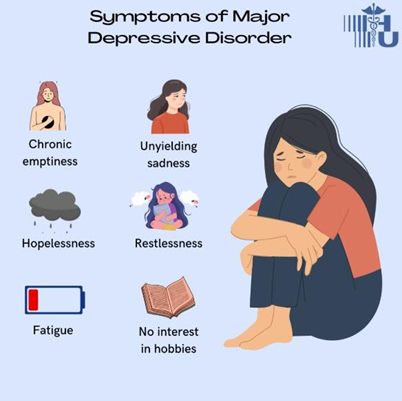
B. Depending solely on a partner to plan daily activities may indicate dependence rather than self-care.
C. Remaining in bed excessively can perpetuate depressive symptoms and hinder recovery.
D. Avoiding discussing upsetting events may prevent processing emotions and hinder progress in therapy.
Correct Answer is B
Explanation
A. This response may inadvertently blame the client or imply that they provoked the inappropriate comment, which can be invalidating.
B. Validating the client's feelings acknowledges their experience and provides support.
C. Encouraging the client to ignore the comment may minimize their feelings and the impact of the inappropriate behavior.
D. Agreeing that the comment was inappropriate is validating, but it does not address the client's emotional response or provide support.
Whether you are a student looking to ace your exams or a practicing nurse seeking to enhance your expertise , our nursing education contents will empower you with the confidence and competence to make a difference in the lives of patients and become a respected leader in the healthcare field.
Visit Naxlex, invest in your future and unlock endless possibilities with our unparalleled nursing education contents today