
A nurse educator is teaching a group of newly licensed nurses about maintaining client confidentiality according to HIPAA regulations. Which of the following statements by a newly licensed nurse indicates an understanding of the teaching?
"HIPAA rules vary from state to state."
"HIPAA rules allow clients to receive a copy of their medical records."
"We should share our computer passwords with our manager."
"A client's diagnosis can be posted on the communication board inside the client's room."
The Correct Answer is B
This statement is accurate because clients have the right to access their medical records under HIPAA regulations.
Option A is incorrect because HIPAA rules are federal regulations that are applicable to all states.
Option C is incorrect because sharing computer passwords with anyone, including managers, can compromise patient privacy and is a violation of HIPAA regulations.
Option D is incorrect because posting a client's diagnosis on a communication board inside the client's room can breach the client's confidentiality.

Nursing Test Bank
Naxlex Comprehensive Predictor Exams
Related Questions
Correct Answer is A
Explanation
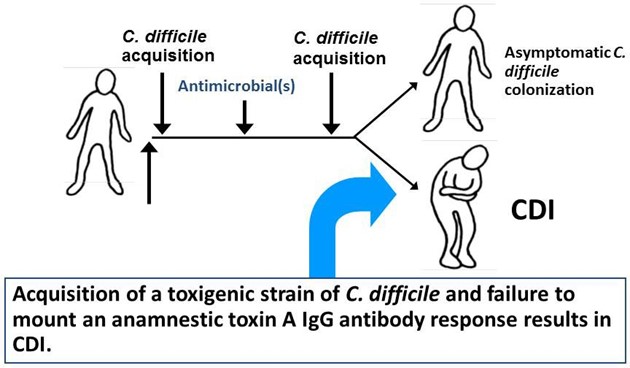
Clostridium difficile is a highly contagious bacterium that can survive on surfaces for long periods of time. Cleaning the bathroom with a diluted bleach solution is an effective way to kill the bacteria and prevent its spread. The nurse should also instruct the client to wash their hands frequently with soap and water, as alcohol-based hand sanitizers are not effective against Clostridium difficile.
It is not necessary for the client to wear a surgical mask when away from home, as the bacteria is primarily spread through contact with contaminated surfaces. The use of probiotics may be beneficial in restoring the balance of gut bacteria in some cases, but there is limited evidence to support its use in preventing or treating Clostridium difficile infections.
Correct Answer is B
Explanation
The correct answer is choice B. Interviewing shelter residents to determine the effectiveness of coping behaviors.
Choice A rationale:
Providing age-appropriate activities for shelter residents is a form of primary prevention, aimed at promoting well-being and preventing stress-related issues. It does not directly address the immediate needs of assessing and managing the aftermath of a disaster.
Choice B rationale:
Interviewing shelter residents to determine the effectiveness of coping behaviors is a secondary prevention strategy. It focuses on identifying and addressing existing issues that may have arisen due to the disaster, such as stress, anxiety, or ineffective coping mechanisms. This helps in providing timely interventions to mitigate further psychological harm.
Choice C rationale:
Compiling resources available to transition individuals from shelters to a home is a tertiary prevention strategy. It aims at long-term recovery and rehabilitation, rather than addressing immediate or ongoing issues resulting from the disaster.
Choice D rationale:
Publishing a listing of shelter locations in local media sources is a primary prevention strategy. It helps in ensuring that individuals know where to go for safety during a disaster, but it does not address the needs of those who have already survived the disaster and are currently in shelters.
Whether you are a student looking to ace your exams or a practicing nurse seeking to enhance your expertise , our nursing education contents will empower you with the confidence and competence to make a difference in the lives of patients and become a respected leader in the healthcare field.
Visit Naxlex, invest in your future and unlock endless possibilities with our unparalleled nursing education contents today