
A nurse at an antepartum clinic is caring for four clients. Which of the following clients should the nurse assess first?
A client who is at 36 weeks of gestation and reports back pain following intercourse
A client who is at 8 weeks of gestation and reports severe vomiting
A client who is at 10 weeks of gestation and reports frequent urination
A client who is at 24 weeks of gestation and reports periodic tingling of the fingers
The Correct Answer is B
Rationale:
A. Back pain following intercourse at 36 weeks of gestation may be common and is not typically indicative of an urgent issue.
B. Severe vomiting in early pregnancy could indicate hyperemesis gravidarum, which may require immediate assessment and intervention to prevent dehydration and electrolyte imbalances.
C. Frequent urination at 10 weeks of gestation is common due to hormonal changes and increased pressure on the bladder from the growing uterus, but it does not typically require immediate assessment unless accompanied by other concerning symptoms.
D. Periodic tingling of the fingers at 24 weeks of gestation could be due to carpal tunnel syndrome, which is common in pregnancy but does not usually require urgent assessment unless severe or accompanied by other symptoms.
Nursing Test Bank
Naxlex Comprehensive Predictor Exams
Related Questions
Correct Answer is B
Explanation
Rationale:
A. Polycythemia: Polycythemia, an elevated red blood cell count, is not typically associated with forceps-assisted birth.
B. Facial palsy:
Correct answer. Facial palsy, or weakness or paralysis of facial muscles, can occur as a complication of forceps-assisted birth due to pressure or trauma to the facial nerve during delivery.
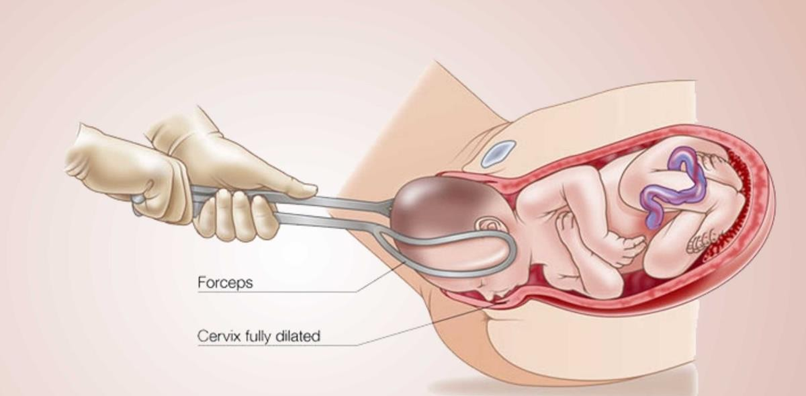
C. Bronchopulmonary dysplasia: Bronchopulmonary dysplasia is a lung condition primarily affecting premature infants and is not directly related to the method of delivery.
D. Hypoglycemia: Hypoglycemia, low blood sugar levels, can occur in newborns for various reasons but is not specifically associated with forceps-assisted birth unless there are other complicating factors.
Correct Answer is A
Explanation
A.
Rationale:
A. Excessive crying:
Correct answer. Neonatal abstinence syndrome (NAS) often presents with irritability, inconsolable crying, and difficulty soothing.
B. Decreased muscle tone: NAS can cause hypertonia or increased muscle tone rather than decreased muscle tone.
C. Absent Moro reflex: NAS may cause hyperactive Moro reflex rather than absent.
D. Diminished deep tendon reflexes: NAS can cause hyperactive deep tendon reflexes rather than diminished.
Whether you are a student looking to ace your exams or a practicing nurse seeking to enhance your expertise , our nursing education contents will empower you with the confidence and competence to make a difference in the lives of patients and become a respected leader in the healthcare field.
Visit Naxlex, invest in your future and unlock endless possibilities with our unparalleled nursing education contents today