
A home health nurse is caring for a client who has unilateral mastitis and is experiencing discomfort in the affected breast. Which of the following Instructions should the nurse include?
Tell the client to apply hydrocortisone ointment to the affected area of the breast.
Recommend the client avoid wearing a nursing bra until symptoms resolve.
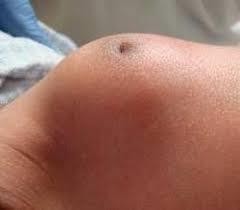
Suggest the client apply warm compresses to the affected breast.
Encourage the client to limit oral fluid intake to decrease milk production.
The Correct Answer is C
A) Incorrect- Hydrocortisone ointment is not typically recommended for treating mastitis, as it might not address the underlying infection.
B) Incorrect- Wearing a well-fitting, supportive nursing bra can actually help alleviate discomfort and is not typically contraindicated in cases of mastitis.
C) Correct - Applying warm compresses to the affected breast can help reduce pain and discomfort associated with mastitis. Warmth can improve blood flow and promote milk flow.
D) Incorrect- Encouraging the client to limit oral fluid intake to decrease milk production is not a recommended approach, as maintaining proper hydration is important, especially when dealing with infection.
Nursing Test Bank
Naxlex Comprehensive Predictor Exams
Related Questions
Correct Answer is B
Explanation
A) Incorrect- Urinary retention can be a concern but is not as immediately life-threatening as respiratory depression.
B) Correct - A respiratory rate of 11/min is significantly lower than the normal range and indicates respiratory depression, which can be life-threatening. It requires immediate attention.
C) Incorrect- A blood pressure of 105/62 mm Hg is within a normal range for an adolescent and does not require immediate intervention.
D) Incorrect- Blurred vision might be a side effect of medications, but respiratory depression takes priority due to its potential to lead to serious complications.
Correct Answer is ["4"]
Explanation
To calculate the number of tablets needed:
Total dose (2 g) ÷ Dose per tablet (500 mg) = Number of tablets 2,000 mg ÷ 500 mg = 4 tablets
Whether you are a student looking to ace your exams or a practicing nurse seeking to enhance your expertise , our nursing education contents will empower you with the confidence and competence to make a difference in the lives of patients and become a respected leader in the healthcare field.
Visit Naxlex, invest in your future and unlock endless possibilities with our unparalleled nursing education contents today