
A charge nurse is teaching a newly licensed nurse about the facility's computerized documentation system. Which of the following information should the nurse include?
"Documentation of sensitive material is performed by the charge nurse."
You will be given access to the medical records of every client in the facility.
You will be asked to change your password once per year.
"Information Technology will install a firewall to secure client information."
The Correct Answer is D
A. Incorrect. Documentation of sensitive material might have designated personnel, but this information does not need to be limited to the charge nurse.
B. Incorrect. Access to medical records should be limited to those with a need for that information, not every nurse in the facility.
C. Incorrect. Most facilities require more frequent password changes (e.g., every 90 days) to enhance security. Therefore, this statement may be inaccurate depending on the facility's policy.
D. Correct. Firewalls are security systems that are used to protect computer networks from unauthorized access. They are an important component of any computerized documentation system.
Nursing Test Bank
Naxlex Comprehensive Predictor Exams
Related Questions
Correct Answer is A
Explanation
A. Correct. The priority is to assess the client for any adverse effects of the medication, such as a drop in blood pressure, which can result in orthostatic hypotension.
B. Incorrect. Nasal congestion is not typically associated with an overdose of valsartan.
C. Incorrect. While obtaining laboratory results might be necessary, it is not the priority action in this situation.
D. Incorrect. Monitoring urine output is important, but assessing for potential complications related to the overdose takes precedence.
Correct Answer is ["B","D","E"]
Explanation
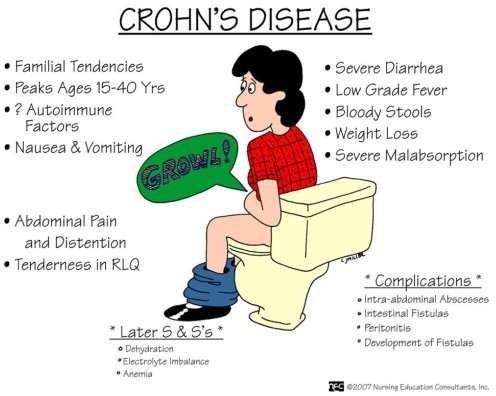
The nurse should discuss the following dietary recommendations with the client who has Crohn's disease:
Avoid eating fried, fatty foods and large meals: Fried and fatty foods can be difficult to digest and may worsen symptoms of diarrhea and abdominal pain. Consuming large meals can also put additional strain on the digestive system.
Limit high fiber foods, such as beans, popcorn, and seeds: High fiber foods can be challenging to digest and may exacerbate symptoms of Crohn's disease. Limiting these foods can help reduce gastrointestinal irritation and promote symptom relief.
Take a vitamin supplement daily with a meal: Crohn's disease can lead to nutrient deficiencies due to malabsorption. Taking a daily vitamin supplement with a meal can help ensure that the client receives essential nutrients and maintain overall nutritional status.
The following options are not appropriate dietary recommendations for a client with Crohn's disease:
- Drinking dairy and effervescent sodas for hydration: Dairy products can trigger symptoms in some individuals with Crohn's disease, especially if they have lactose intolerance. Effervescent sodas may contain carbonation and artificial sweeteners that can aggravate symptoms. Encouraging non-dairy sources of hydration, such as water or herbal teas, would be more appropriate.
- Enjoying fast food restaurants only if dining with friends: Fast food options are generally high in fat, sodium, and other additives that may worsen symptoms in individuals with Crohn's disease. It is advisable to limit or avoid fast food consumption altogether, regardless of whether dining alone or with others.
Whether you are a student looking to ace your exams or a practicing nurse seeking to enhance your expertise , our nursing education contents will empower you with the confidence and competence to make a difference in the lives of patients and become a respected leader in the healthcare field.
Visit Naxlex, invest in your future and unlock endless possibilities with our unparalleled nursing education contents today