
A 16-year-old is admitted with sickle cell crisis. The patient has a pain scale rating of 10 and the following vital signs: HR 115, BP 120/82, RR 18, oxygen saturation 91%, temperature 101.4°F. Select all the appropriate nursing interventions for this patient at this time?
Remove restrictive clothing or objects from the patient
Administer IV Morphine per MD order
Administer oxygen per MD order
Place on NPO
Start intravenous fluids per MD order
Keep patient on bed rest
Correct Answer : A,B,C,D,E,F
A. Remove restrictive clothing or objects from the patient: This helps to promote comfort and improve circulation.
B. Administer IV Morphine per MD order: Morphine is a common medication used to manage severe pain associated with sickle cell crisis.
C. Administer oxygen per MD order: Oxygen may be needed to improve oxygen saturation and support respiratory function, especially if the patient is hypoxic.
D. Place on NPO: This is appropriate in case the patient needs any procedures or interventions that require fasting.
E. Start intravenous fluids per MD order: Intravenous fluids help to hydrate the patient and improve blood flow, which can help alleviate symptoms of sickle cell crisis.
F. Keep patient on bed rest: Bed rest is important to conserve energy and minimize the risk of further complications during a sickle cell crisis.
Nursing Test Bank
Naxlex Comprehensive Predictor Exams
Related Questions
Correct Answer is A
Explanation
A. Monitor fluid intake and output. Monitoring fluid intake and output is essential in patients with multiple myeloma to assess for signs of dehydration or fluid overload, which can occur due to renal complications.
B. Limit weight bearing and ambulation. Limiting weight bearing and ambulation is not a
standard intervention for multiple myeloma unless there are specific complications such as bone fractures.
C. Assess lymph nodes for enlargement. Multiple myeloma primarily affects the bone marrow and plasma cells, not the lymph nodes.
D. Administer calcium supplements. While calcium supplementation may be necessary in some cases of multiple myeloma, it is not a priority action upon admission without further assessment.
Correct Answer is A
Explanation
A. Hemophilia A: Hemophilia A is caused by a deficiency of factor VIII, leading to problems with blood clotting.
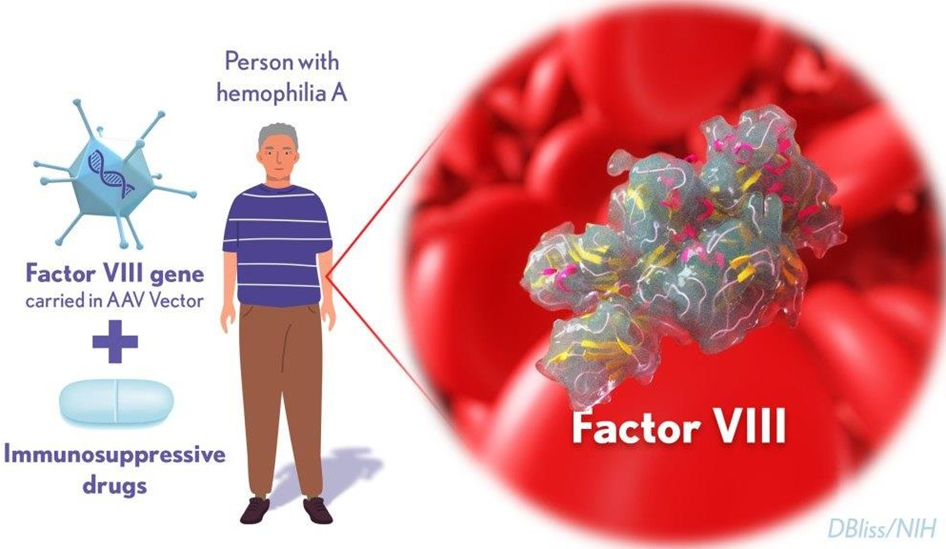
B. Hemophilia B: Hemophilia B is caused by a deficiency of factor IX, not factor VIII.
C. Christmas disease: Christmas disease is another name for Hemophilia B, which is caused by a deficiency of factor IX.
D. Sickle cell disease: Sickle cell disease is a genetic disorder affecting hemoglobin, not a clotting factor deficiency.
Whether you are a student looking to ace your exams or a practicing nurse seeking to enhance your expertise , our nursing education contents will empower you with the confidence and competence to make a difference in the lives of patients and become a respected leader in the healthcare field.
Visit Naxlex, invest in your future and unlock endless possibilities with our unparalleled nursing education contents today