
Which of the following structures moves downward to close the trachea during the process of swallowing?
Epiglottis
Vestibular fold
Uvula
Cricoid cartilage
The Correct Answer is A
a. Epiglottis: The epiglottis is a small flap of cartilage located above the larynx (voice box). During swallowing, the epiglottis folds down to cover the opening of the trachea, preventing food or drink from entering the airway and causing choking.
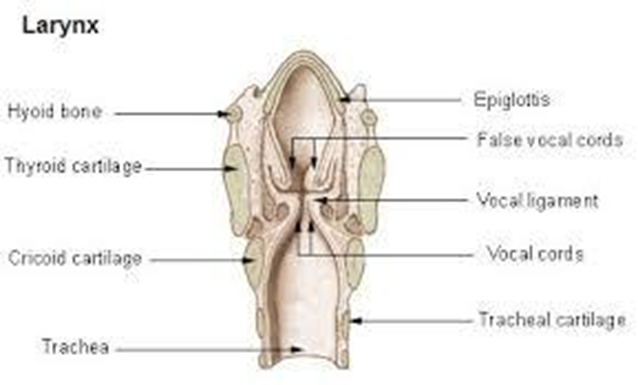
b. Vestibular fold: Vestibular folds are also known as false vocal cords. They do not play a major role in preventing food or drink from entering the airway.
c. Uvula: The uvula is a small, fleshy projection hanging from the back of the soft palate. It does not directly cover the trachea during swallowing.
d. Cricoid cartilage: The cricoid cartilage is a ring-shaped cartilage located at the base of the larynx. It provides structural support and does not move significantly during swallowing.
Nursing Test Bank
Naxlex Comprehensive Predictor Exams
Related Questions
Correct Answer is C
Explanation
a. Reabsorption: Reabsorption is the process by which the kidneys reabsorb water and other needed solutes from the filtrate back into the bloodstream.
b. Incontinence: Incontinence is the involuntary loss of urine.
c. Micturition: Micturition is the voluntary process of emptying the urinary bladder. Urine is produced by the kidneys, stored in the bladder, and released through the urethra when the bladder muscles contract and the sphincter relaxes.
d. Filtration: Filtration is the process by which the kidneys remove waste products and excess water from the blood to form urine
Correct Answer is C
Explanation
a. Outermost layer that lies underneath the pericardial sac: This describes the epicardium, not the endocardium.
b. Outer layer that produces serous fluid: This describes the pericardium, particularly the visceral layer.
c. Inner layer that is continuous with the blood vessels: The endocardium is the innermost layer of the heart, lining the heart chambers and continuous with the endothelium of blood vessels.
d. Central layer that contracts and relaxes: This describes the myocardium, the muscular middle layer of the heart
Whether you are a student looking to ace your exams or a practicing nurse seeking to enhance your expertise , our nursing education contents will empower you with the confidence and competence to make a difference in the lives of patients and become a respected leader in the healthcare field.
Visit Naxlex, invest in your future and unlock endless possibilities with our unparalleled nursing education contents today