
Which of the following outcomes best describes the effect environmental health has had in our community?
Increased information about global health.
Increased life expectancy for the community.
Increased vulnerability to hazardous health risks.
Increased information about infant mortality.
The Correct Answer is B
Environmental health is concerned with the impact of environmental factors on human health, including physical, chemical, biological, and social factors. By improving environmental health in a community, we can decrease exposure to environmental hazards and reduce the incidence of environmentally related diseases, resulting in improved health outcomes.
One of the most important outcomes of environmental health interventions is increased life expectancy for the community. By reducing exposure to environmental hazards, such as air pollution, water pollution, and toxic chemicals, we can decrease the incidence of environmentally related diseases, such as respiratory disease, cancer, and neurological disorders. This, in turn, can increase life expectancy and improve the overall health of the community.
Nursing Test Bank
Naxlex Comprehensive Predictor Exams
Related Questions
Correct Answer is C
Explanation
Nifedipine is a calcium channel blocker that can cause hypotension as a side effect, so the client should be advised to rise slowly from a sitting or lying position to avoid dizziness or fainting. The client does not necessarily need to be hospitalized and should continue taking the medication until a healthcare provider advises otherwise. The medication is typically continued until around 36-37 weeks gestation. There is no need to monitor respiratory rate with this medication.
Correct Answer is C
Explanation
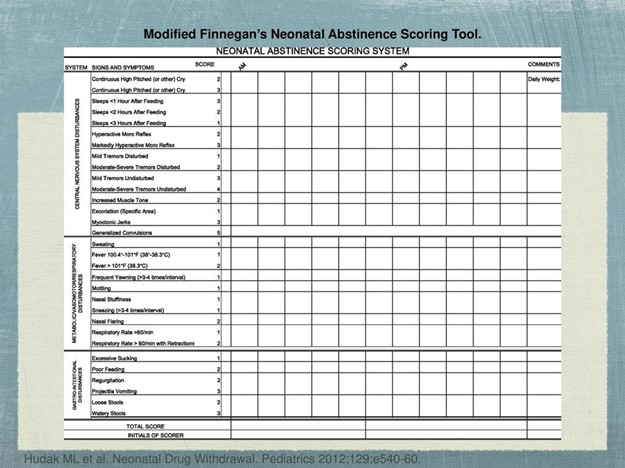
The Finnegan score is a tool used to assess and monitor newborns for withdrawal symptoms related to maternal substance use during pregnancy.
Whether you are a student looking to ace your exams or a practicing nurse seeking to enhance your expertise , our nursing education contents will empower you with the confidence and competence to make a difference in the lives of patients and become a respected leader in the healthcare field.
Visit Naxlex, invest in your future and unlock endless possibilities with our unparalleled nursing education contents today