
Which data is cause for immediate intervention for a client after a right shoulder replacement?
Creatinine level is 0.8 mg/dL.
Potassium level is 4.2 mEq/L.
White blood cell count is 9,000 mm³.
Hemoglobin is 7.1 g/dL.
The Correct Answer is D
Choice A Reason
A creatinine level of 0.8 mg/dL falls within the normal range for adults, which is typically 0.6 to 1.2 mg/dL for males and 0.5 to 1.1 mg/dL for females. This indicates normal kidney function and is not a cause for immediate intervention post-operatively.
Choice B Reason
A potassium level of 4.2 mEq/L is within the normal range, which is generally between 3.6 and 5.2 mEq/L. This level indicates a stable electrolyte balance and is not a cause for immediate concern following shoulder replacement surgery.
Choice C Reason
A white blood cell (WBC) count of 9,000 mm³ is within the normal range, which typically spans from 4,500 to 11,000 WBCs per mm³. This suggests there is no active infection or inflammation that requires immediate intervention.
Choice D Reason
A hemoglobin level of 7.1 g/dL is considered low, as the normal range for adult males is generally 13.8 to 17.2 g/dL and for adult females is 12.1 to 15.1 g/dL. Low hemoglobin can indicate anemia, which may be due to blood loss during surgery or other underlying conditions. This requires immediate intervention to address potential oxygenation issues and determine the cause of the anemia.
Nursing Test Bank
Naxlex Comprehensive Predictor Exams
Related Questions
Correct Answer is B
Explanation
Choice A Reason:
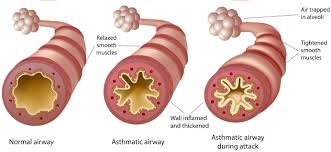
Using accessory muscles while breathing is a sign of respiratory distress and indicates that the client is working harder to breathe. This is not a desired outcome of treatment and suggests that the asthma exacerbation is not under control.
Choice B Reason:
The ability to answer questions in full sentences suggests that the client's airway is not severely obstructed, which is a positive sign of effective asthma treatment. When asthma is well-controlled, individuals should not experience significant shortness of breath that limits their ability to speak.
Choice C Reason:
Diminished breath sounds can be a sign of severe airway obstruction and are not indicative of effective asthma treatment. Ideally, lung auscultation should reveal clear breath sounds without wheezing, indicating good air movement throughout the lungs.
Choice D Reason:
Restlessness and anxiety can be symptoms of hypoxia, a condition where the body or a region of the body is deprived of adequate oxygen supply. This is not a sign of effective asthma treatment and may indicate that the client's asthma is not well-managed.
Correct Answer is B
Explanation
Choice a reason:
Diuretic use is not typically associated with an increased risk of developing fibromyalgia. Diuretics are commonly used to treat conditions like hypertension and edema by helping the body eliminate excess fluid, but they do not contribute to the onset of fibromyalgia¹.
Choice b reason:
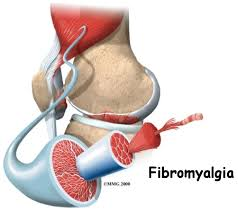
Emotional or physical trauma has been identified as a risk factor for fibromyalgia. Individuals who experience significant stress or traumatic events may develop the disorder due to changes in how their central nervous system processes pain. Stress can lead to long-lasting effects on the body and may trigger fibromyalgia or worsen its symptoms²³⁴.
Choice c reason:
Being overweight is not a direct risk factor for fibromyalgia, but it can exacerbate symptoms in those who have the condition. Excess weight can increase the strain on the body and may contribute to the chronic pain and fatigue associated with fibromyalgia. However, it is not considered a causative factor¹.
Choice d reason:
Being an adolescent male is not a recognized risk factor for fibromyalgia. The disorder is more commonly diagnosed in women, and while it can occur at any age, it is most often diagnosed during middle age. Gender and age alone are not sufficient to determine the risk of developing fibromyalgia.
Whether you are a student looking to ace your exams or a practicing nurse seeking to enhance your expertise , our nursing education contents will empower you with the confidence and competence to make a difference in the lives of patients and become a respected leader in the healthcare field.
Visit Naxlex, invest in your future and unlock endless possibilities with our unparalleled nursing education contents today