
Which bones are formed by intramembranous ossification?
Long bones arms and legs
Bones of the pelvic girdle
Vertebrae
Flat bones of the skull
The Correct Answer is D
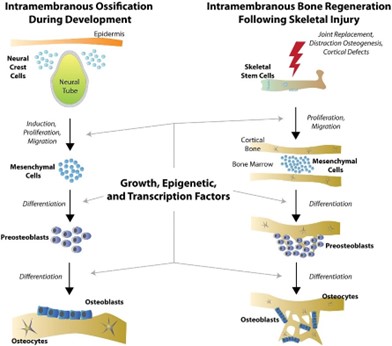
Intramembranous ossification is a process of bone formation in which bone tissue forms directly within mesenchymal (undifferentiated) connective tissue membranes. This process is responsible for the formation of the flat bones of the skull, including the frontal, parietal, occipital, and temporal bones.
Long bones of the arms and legs, bones of the pelvic girdle, and vertebrae are formed by endochondral ossification, a different process of bone formation in which bone tissue replaces hyaline cartilage.
Nursing Test Bank
Naxlex Comprehensive Predictor Exams
Related Questions
Correct Answer is A
Explanation
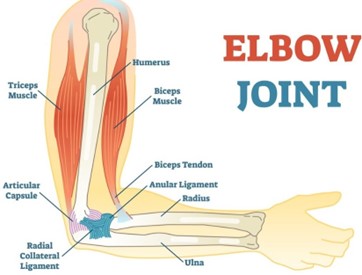
A hinge joint is a type of synovial joint that allows movement in only one plane, like a door hinge. The elbow joint is made up of the humerus bone in the upper arm, the ulna bone and the radius bone in the forearm. It allows flexion and extension movements, like the opening and closing of a hinge.
Correct Answer is A
Explanation
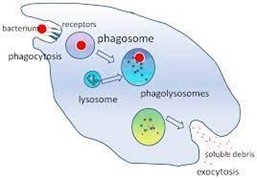
Lysosomes contribute to phagocytosis in white blood cells by fusing with the phagosome, which is the membrane-bound vesicle that engulfs the foreign particle or pathogen during phagocytosis. The lysosomes contain hydrolytic enzymes that can break down the engulfed material, thereby helping to destroy the invading pathogen. Additionally, lysosomes can also release reactive oxygen species and other antimicrobial molecules that further aid in the destruction of the pathogen.
Vacuoles, endoplasmic reticulum, and Golgi apparatus do not directly contribute to phagocytosis in white blood cells. Vacuoles are used for storage in cells, while the endoplasmic reticulum and Golgi apparatus are involved in protein synthesis and processing.
Whether you are a student looking to ace your exams or a practicing nurse seeking to enhance your expertise , our nursing education contents will empower you with the confidence and competence to make a difference in the lives of patients and become a respected leader in the healthcare field.
Visit Naxlex, invest in your future and unlock endless possibilities with our unparalleled nursing education contents today