
Which action should the nurse implement to reduce the risk of vesicant extravasation in the client who is receiving intravenous chemotherapy?
Instruct the client to drink plenty of fluids during the treatment.
Keep the head of the bed elevated until the treatment is completed.
Monitor the client's intravenous site hourly during the treatment.
Administer an antiemetic before starting the chemotherapy.
The Correct Answer is C
A. Instruct the client to drink plenty of fluids during the treatment.
This option focuses on hydration, which is generally important during chemotherapy to flush out toxins and maintain overall health. However, it does not specifically address the risk of vesicant extravasation.
B. Keep the head of the bed elevated until the treatment is completed.
Keeping the head of the bed elevated is a measure that may be taken for certain conditions or treatments, but it is not directly related to preventing vesicant extravasation.
C. Monitor the client's intravenous site hourly during the treatment.
This is the correct choice. Monitoring the intravenous site for signs of extravasation, such as swelling, redness, or pain, is crucial when administering vesicant chemotherapy drugs. Early detection allows for prompt intervention to minimize potential tissue damage.
D. Administer an antiemetic before starting the chemotherapy.
Administering an antiemetic (a medication to prevent or alleviate nausea and vomiting) is important for managing side effects of chemotherapy, but it does not specifically address the prevention of vesicant extravasation.
Nursing Test Bank
Naxlex Comprehensive Predictor Exams
Related Questions
Correct Answer is C
Explanation
A. Hyperactive bowel sounds.
Hyperactive bowel sounds are more suggestive of gastrointestinal issues, such as intestinal hypermotility or increased peristalsis. While diabetes can affect the gastrointestinal system, hyperactive bowel sounds are not a specific indicator of the symptoms described by the client.
B. Anxiety and sighing.
Anxiety and sighing are more indicative of emotional or psychological factors rather than dehydration. While stress can impact blood sugar levels in individuals with diabetes, anxiety and sighing are not direct signs of the dehydration that may be associated with the reported symptoms.
C. Dark yellow urine.
Dark yellow urine can be a sign of concentrated urine, suggesting dehydration. In diabetes, especially when blood sugar levels are elevated, increased urine production (polyuria) can lead to dehydration. Dark yellow urine may indicate that the urine is more concentrated due to a lack of fluid intake.
D. Myalgia in wrists and hands.
Myalgia in the wrists and hands is not a typical symptom of dehydration related to diabetes. It could be associated with various conditions, such as musculoskeletal issues or nerve-related problems. This symptom is less likely to be directly linked to the reported weakness and palpitations.
Correct Answer is D
Explanation
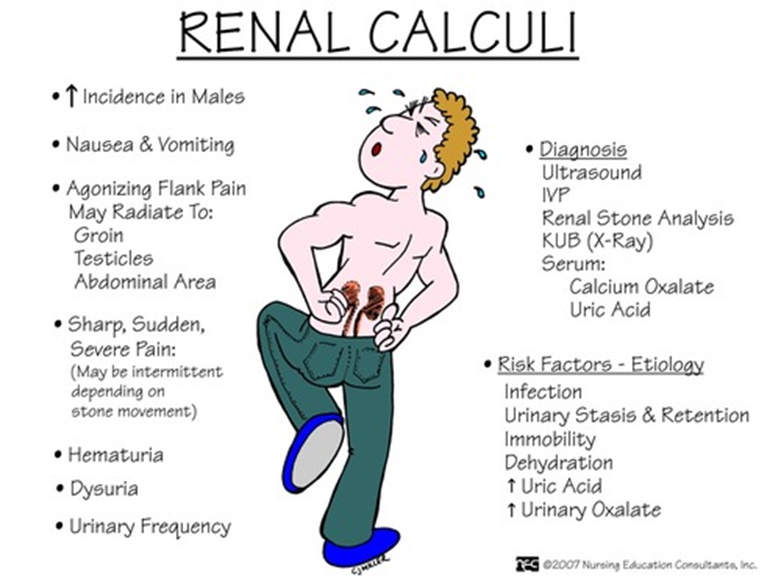
A. Jogs more frequently than usual daily routine:
Exercise, including jogging, is generally not associated with an increased risk of renal calculi. In fact, regular physical activity can have health benefits.
B. Eats a vegetarian diet with cheese 2 to 3 times a day:
A vegetarian diet alone is not necessarily a risk factor for renal calculi. However, the inclusion of high-oxalate foods, such as certain types of cheese, may contribute to the formation of kidney stones.
C. Experiences additional stress since adopting a child:
Stress is not a direct risk factor for renal calculi. However, certain dietary and lifestyle factors play a more significant role in stone formation.
D. Drinks several bottles of carbonated water daily:
This is the correct answer. Consuming large amounts of carbonated water, especially if it is high in phosphoric acid, can contribute to the formation of kidney stones. Carbonated beverages may increase the excretion of calcium in the urine, potentially leading to stone formation.
Whether you are a student looking to ace your exams or a practicing nurse seeking to enhance your expertise , our nursing education contents will empower you with the confidence and competence to make a difference in the lives of patients and become a respected leader in the healthcare field.
Visit Naxlex, invest in your future and unlock endless possibilities with our unparalleled nursing education contents today