
When assessing a client's abdomen, particularly for "stomach pain," the nurse should:
Inspect
Percuss
Palpate
Auscultate
The Correct Answer is D
Choice A reason: Inspection should be performed first to observe for any visible abnormalities, distention, or movements that could indicate underlying conditions.
Choice B reason: Percussion is used after auscultation to assess the presence of fluid, gas, and to estimate the size of the organs within the abdomen.
Choice C reason: Palpation is typically performed last because it can alter the natural state of the abdomen, potentially causing discomfort and affecting the bowel sounds that are assessed during auscultation.
Choice D reason: Auscultation should be performed before palpation and percussion to avoid altering bowel sounds. It allows the nurse to listen to the natural state of bowel motility and vascular sounds without interference.
Nursing Test Bank
Naxlex Comprehensive Predictor Exams
Related Questions
Correct Answer is A
Explanation
Choice A reason: Urinary catheterization is a well-known risk factor for HAIs, particularly catheter-associated urinary tract infections (CAUTIs). The use of indwelling urinary catheters can introduce bacteria into the urinary tract and is associated with a significant proportion of HAIs.
Choice B reason: While malnutrition can affect the immune system and increase the risk of infections, it is not a direct cause of HAIs. Good nutritional status is important for wound healing and infection prevention, but it does not cause HAIs by itself.
Choice C reason: Having multiple caregivers can increase the risk of transmitting infections, especially if hand hygiene and other infection control practices are not consistently followed. However, it is not considered a direct cause of HAIs like urinary catheterization is.
Choice D reason: Chlorhexidine washes are actually used as a preventive measure against HAIs, particularly in reducing the risk of surgical site infections. They are not a cause of HAIs but rather part of the solution to prevent them.
Correct Answer is B
Explanation
Choice A reason: Scarlet fever is caused by a bacterium that produces a toxin leading to a rash. It is typically spread through respiratory droplets, and while standard precautions are necessary, an N95 respirator is not required.
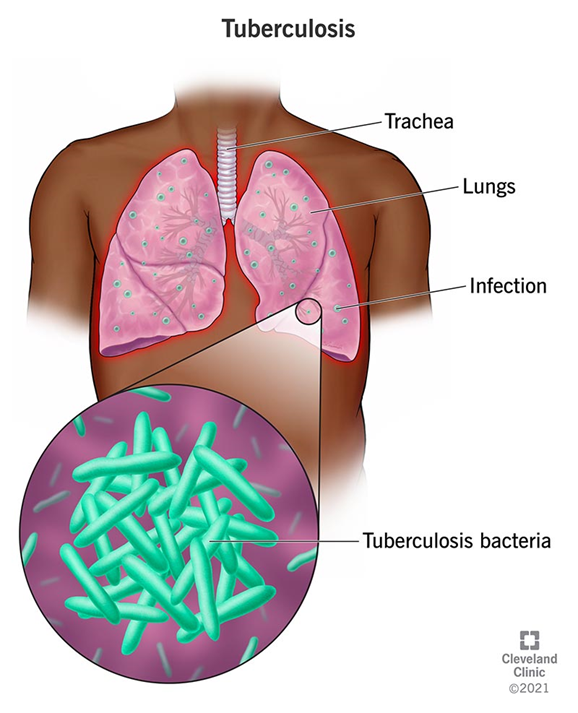
Choice B reason: Tuberculosis is an airborne infectious disease that requires the use of an N95 respirator to protect against inhaling the bacteria, especially in cases of pulmonary tuberculosis. This type of respirator filters out at least 95% of airborne particles, including Mycobacterium tuberculosis.
Choice C reason: Mycoplasmal pneumonia, also known as "walking pneumonia," is caused by Mycoplasma pneumoniae and is typically less severe than other types of bacterial pneumonia. Standard precautions, including the use of surgical masks, may be sufficient unless there is a risk of aerosol-generating procedures.
Choice D reason: Scabies is caused by a mite that burrows into the skin. It is spread through direct skin-to-skin contact, and an N95 respirator is not needed for protection against scabies.
Whether you are a student looking to ace your exams or a practicing nurse seeking to enhance your expertise , our nursing education contents will empower you with the confidence and competence to make a difference in the lives of patients and become a respected leader in the healthcare field.
Visit Naxlex, invest in your future and unlock endless possibilities with our unparalleled nursing education contents today