
What sign/symptom of a patient would cause the nurse to suspect cerebral spinal fluid leakage?
Altered level of consciousness
Painful headache
Salty taste in their mouth, postnasal drip or clear fluid draining from the nose
All of the above
The Correct Answer is C
Choice A: Altered level of consciousness is not a sign/symptom of cerebral spinal fluid leakage, but rather a sign/symptom of increased intracranial pressure or brain injury.
Choice B: Painful headache is not a sign/symptom of cerebral spinal fluid leakage, but rather a sign/symptom of meningitis or sinusitis.
Choice C: Salty taste in their mouth, postnasal drip or clear fluid draining from the nose is a sign/symptom of cerebral spinal fluid leakage, as it indicates that the fluid is escaping from the brain or spinal cord through a tear or hole in the meninges or skull.
Choice D: All of the above is not correct, as only choice C is a sign/symptom of cerebral spinal fluid leakage.
Nursing Test Bank
Naxlex Comprehensive Predictor Exams
Related Questions
Correct Answer is C
Explanation
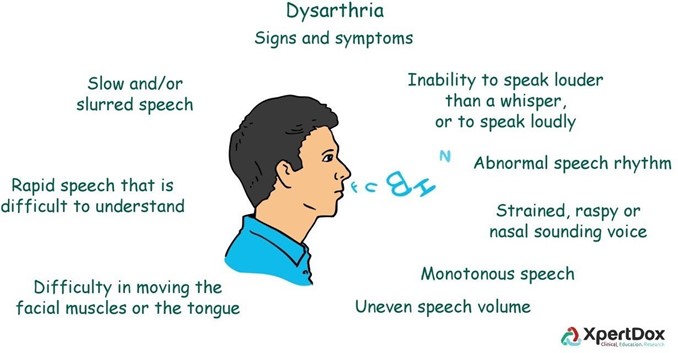
Choice A: Paralysis of the joints is not a description of dysarthria, but rather a possible complication of stroke or other neurological disorders.
Choice B: Blindness over half the field of vision is not a description of dysarthria, but rather a sign/symptom of hemianopia or visual field loss.
Choice C: Difficult or unclear articulation of speech is a description of dysarthria, as it is a motor speech disorder caused by weakness or paralysis of the muscles involved in speech production.
Choice D: Paralysis of one side of the body is not a description of dysarthria, but rather a sign/symptom of hemiplegia or unilateral weakness.
Correct Answer is C
Explanation
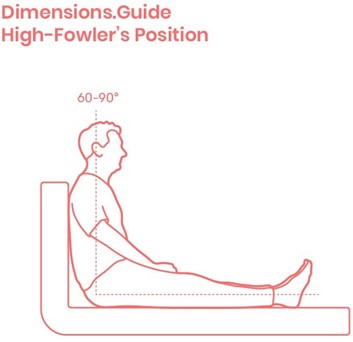
Choice A: Head of bed 45 degrees is not enough to prevent aspiration or choking, as the patient may still have difficulty swallowing and clearing their airway.
Choice B: Patient should be on a regular diet to rebuild their swallowing ability is not correct, as the patient may need a modified diet depending on their level of dysphagia or swallowing impairment. A regular diet may pose a risk of aspiration or choking.
Choice C: Have patient sit upright 90 degrees in bed or chair is correct, as this position helps the patient align their head and neck and use gravity to facilitate swallowing and prevent aspiration.
Choice D: All of the above is not correct, as only choice C is appropriate for assisting a stroke patient with feeding.
Whether you are a student looking to ace your exams or a practicing nurse seeking to enhance your expertise , our nursing education contents will empower you with the confidence and competence to make a difference in the lives of patients and become a respected leader in the healthcare field.
Visit Naxlex, invest in your future and unlock endless possibilities with our unparalleled nursing education contents today