
What is the most effective way for a nurse to assess a woman's usual food intake during her pregnancy?
Ask her to describe her intake for the last 24 hours.
Ask her to describe her total intake for a week
Assess a list she makes describing a good diet
Assess her skin for hydration and color.
The Correct Answer is B
B. This option provides a broader view of the woman's dietary habits compared to asking about the last 24 hours. It allows the nurse to assess patterns of intake over a longer period, which can be more representative of her usual eating habits. This method helps capture variations in diet and can reveal trends that might not be apparent from a single day's intake.
A. This method provides a snapshot of the woman's recent dietary habits. It can give the nurse immediate insight into what the woman has consumed recently. However, it may not fully represent her usual dietary patterns over time, as food intake can vary day to day.
C. Asking the woman to describe a list of foods that constitute a "good diet" may provide insights into her knowledge and beliefs about nutrition. However, it may not accurately reflect her actual dietary intake. People often have an idealized view of what constitutes a healthy diet versus what they actually consume.
D. Assessing skin hydration and color is important for evaluating overall hydration status and potential nutritional deficiencies, but it does not directly assess food intake. Skin assessment can provide clues about general health and hydration but does not substitute for a detailed dietary assessment.
Nursing Test Bank
Naxlex Comprehensive Predictor Exams
Related Questions
Correct Answer is D
Explanation
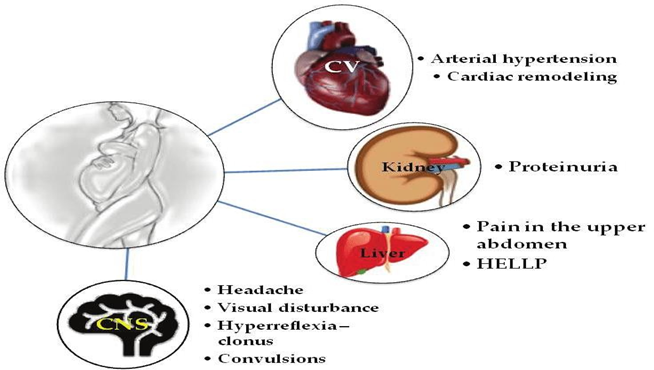
D. Elevated blood pressure (hypertension) is a hallmark sign of preeclampsia. In pregnant women, hypertension is defined as a systolic blood pressure of 140 mm Hg or higher and/or a diastolic blood pressure of 90 mm Hg or higher on two occasions at least 4 hours apart after 20 weeks of gestation in a woman with previously normal blood pressure. This is a critical finding that requires immediate attention and further evaluation to confirm the diagnosis and assess the severity of preeclampsia.
A. Vaginal discharge may indicate other conditions such as infections, which should be evaluated separately. While certain types of discharge could potentially indicate an infection that might indirectly affect blood pressure or overall health, it is not a direct symptom of preeclampsia.
B. Not a typical symptom of preeclampsia. Preeclampsia more commonly presents with reduced urine output (oliguria) due to impaired kidney function. Increased urine output can occur in pregnancy due to hormonal changes or increased fluid intake, but it is not a specific sign of preeclampsia.
C. Not typically a primary symptom of preeclampsia. Joint pain is more commonly associated with other conditions such as arthritis or hormonal changes during pregnancy. It is not a hallmark symptom of preeclampsia, which primarily involves hypertension and organ damage.
Correct Answer is D
Explanation
D. This response is appropriate for a breastfeeding mother with a family history of food allergies. Peanuts are among the common allergenic foods, and some guidelines recommend that mothers with a family history of food allergies or infants at high risk of developing allergies consider avoiding peanuts and other allergenic foods during breastfeeding. This cautious approach aims to reduce the risk of allergic sensitization in the infant.
A. Increased sleepiness alone is not a reliable indicator of a food allergy in infants. Common symptoms of a food allergy in breastfed infants include rash, hives, vomiting, diarrhea, or respiratory symptoms. Sleep patterns alone are not diagnostic of food allergies.
B. Rice cereals are generally well-tolerated and are commonly recommended as a first solid food for infants due to their hypoallergenic properties. They are not typically problematic during lactation unless the mother or infant has a specific sensitivity or allergy to rice.
C. The foods a breastfeeding mother consumes can indeed affect breast milk composition. Certain foods can transfer flavors to breast milk and may potentially cause reactions in sensitive infants. If the mother consumes allergenic foods like peanuts, cow's milk, or eggs, small amounts of allergenic proteins can pass into breast milk and potentially trigger allergic reactions in susceptible infants.
Whether you are a student looking to ace your exams or a practicing nurse seeking to enhance your expertise , our nursing education contents will empower you with the confidence and competence to make a difference in the lives of patients and become a respected leader in the healthcare field.
Visit Naxlex, invest in your future and unlock endless possibilities with our unparalleled nursing education contents today