
A nurse in a clinic is caring for a client who is at 11 weeks of gestation and reports that she has had slight occasional and painless vaginal bleeding over the past 2 weeks. Following an examination by the provider, the client is told that the fetus has died and that the placenta, fetus, and tissues remain in the uterus. How should the nurse document these findings?
Incomplete miscarriage
Complete abortion
Missed abortion
Inevitable abortion
The Correct Answer is C
a. This occurs when some of the products of conception have been expelled from the uterus but some remain.
b. This occurs when all of the products of conception have been expelled from the uterus.
c. This occurs when the fetus has died but has not been expelled from the uterus.
d. This occurs when the fetus has died and the cervix is dilated, but the products of conception have not been expelled from the uterus.
Nursing Test Bank
Naxlex Comprehensive Predictor Exams
Related Questions
Correct Answer is B
Explanation
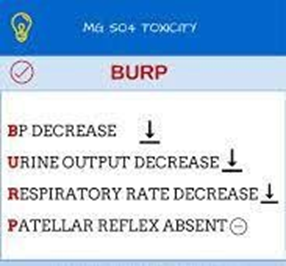
a. This is an important nursing intervention when a patient is receiving magnesium sulfate, as the medication can affect renal function.
b. Assessing cervix dilation is not related to magnesium sulfate toxicity.
c. This is an important nursing intervention when a patient is receiving magnesium sulfate, as the medication can affect neuromuscular function.
d. This is an important nursing intervention when a patient is receiving magnesium sulfate, as the medication can affect respiratory function.
Correct Answer is A
Explanation
a. The vaginal sponge has been associated with an increased risk of toxic shock syndrome (TSS), so it should be avoided in women with a history of TSS.
b. Abstinence is a highly effective contraceptive method but may not be practical for all couples.
c. This method is not as effective as other contraceptive methods and may not be practical for all couples.
d. Hormonal contraceptives are generally safe for women with a history of TSS and are an effective method of contraception.
Whether you are a student looking to ace your exams or a practicing nurse seeking to enhance your expertise , our nursing education contents will empower you with the confidence and competence to make a difference in the lives of patients and become a respected leader in the healthcare field.
Visit Naxlex, invest in your future and unlock endless possibilities with our unparalleled nursing education contents today