
Through which structure does blood flow from the heart to the lungs in the pulmonary circulation?
Left ventricle
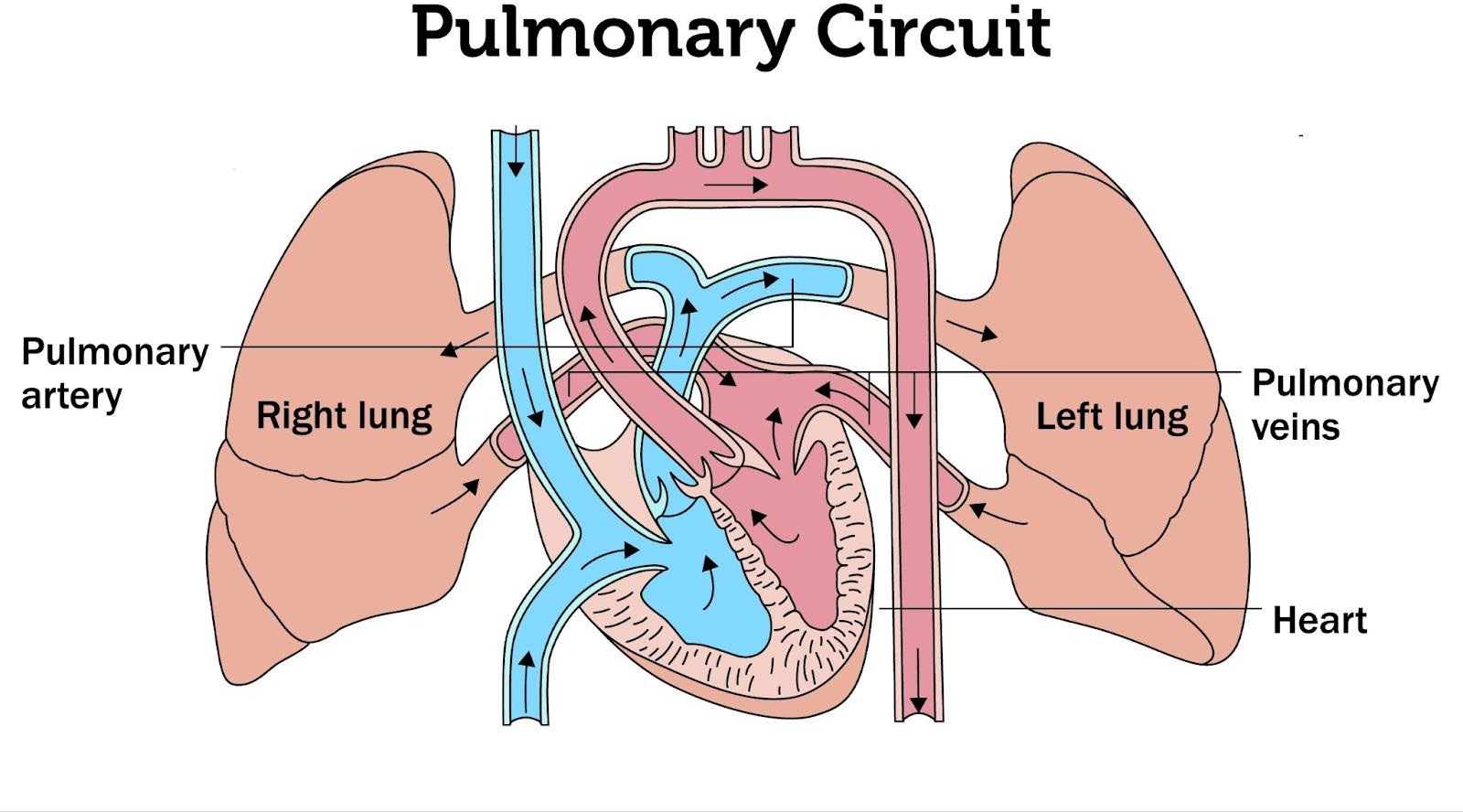
Pulmonary artery
Left atrium
Pulmonary veins
The Correct Answer is B
Choice A reason: The left ventricle pumps oxygenated blood into the aorta and then to the rest of the body, not
directly to the lungs.
Choice B reason: The pulmonary artery is the correct answer because it carries deoxygenated blood from the right
ventricle of the heart to the lungs for oxygenation.
Choice C reason: The left atrium receives oxygenated blood from the lungs through the pulmonary veins, so it is not
involved in sending blood to the lungs.
Choice D reason: The pulmonary veins carry oxygenated blood from the lungs to the left atrium, not from the heart
to the lungs.
 |
Nursing Test Bank
Naxlex Comprehensive Predictor Exams
Related Questions
Correct Answer is C
Explanation
Choice A reason: Urine osmolality of 200 mOsm/kg is lower than expected in dehydration. Dehydration typically results in higher osmolality due to the concentration of urine.
Choice B reason: Cloudy urine can be a sign of infection or other conditions, but it is not a specific indicator of dehydration.
Choice C reason: Dark-colored urine is a common finding in dehydration as the body conserves water, leading to
more concentrated urine.
Choice D reason: A urine specific gravity of 1.015 is within the normal range. In dehydration, we would expect a higher specific gravity, indicating more concentrated urine.
Correct Answer is B
Explanation
Choice A reason: Looping the tubing on the client's bed can cause kinks and obstruct the drainage, which is not
recommended.
Choice B reason: Taping the connections on the chest tube is essential to maintain an airtight system and prevent air leaks, which is crucial for proper chest tube function.
Choice C reason: The chest tube drainage system should be placed below the level of the client's heart to facilitate gravity drainage, not above.
Choice D reason: Stripping the chest tube, which involves squeezing and pulling the tubing to clear clots, is not routinely recommended as it can generate negative pressure and damage tissue.
Whether you are a student looking to ace your exams or a practicing nurse seeking to enhance your expertise , our nursing education contents will empower you with the confidence and competence to make a difference in the lives of patients and become a respected leader in the healthcare field.
Visit Naxlex, invest in your future and unlock endless possibilities with our unparalleled nursing education contents today