
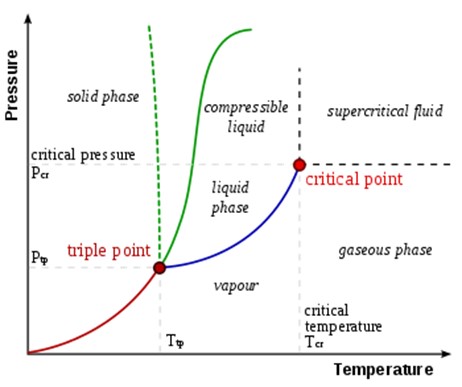
The triple point of a substance is the temperature and pressure at which the substance exists as which of the following?
Simultaneously in sol, gel, and plasma phases
As a gel with solid and liquid trapped in gas
As a sol with gas and solid trapped in liquid
Simultaneously in solid, liquid, and gas phases
The Correct Answer is D
The triple point of a substance is the temperature and pressure at which the substance exists simultaneously in solid, liquid, and gas phases ¹. In thermodynamics, the triple point of a substance is the temperature and pressure at which the three phases (gas, liquid, and solid) of that substance coexist in thermodynamic equilibrium ¹.
The other options are not correct because they do not accurately describe the triple point of a substance. Sol, gel, and plasma are not phases that coexist at the triple
Nursing Test Bank
Naxlex Comprehensive Predictor Exams
Related Questions
Correct Answer is A
Explanation
To accurately measure the density of a series of small irregular solids made of plastic, wood, fiberglass, and glass, a student will need a graduated cylinder, water, and a weighing balance. The student can use the water displacement method to determine the volume of each solid by measuring the volume of water displaced when the solid is submerged in a graduated cylinder filled with water. The mass of each solid can be measured using a weighing balance. The density can then be calculated by dividing the mass by the volume.
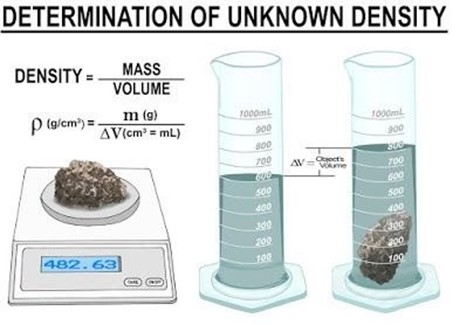
The other options are not correct because they do not provide the necessary tools to accurately measure the density of the solids. A spectrophotometer is used to measure light absorption and is not necessary for measuring density. A graduated beaker is less accurate than a graduated cylinder for measuring volume. A Bunsen burner is used for heating and is not necessary for measuring density.
Correct Answer is B
Explanation
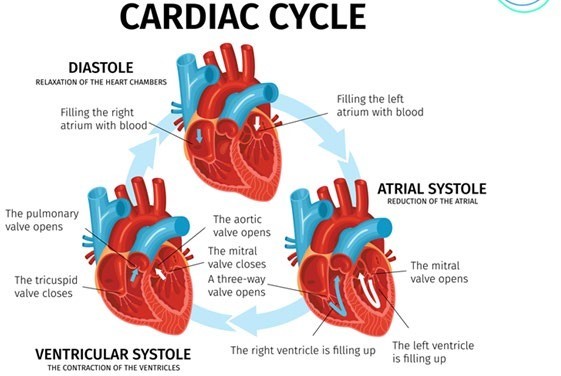
The relaxation of the chambers of the heart during the cardiac cycle is called diastole. The cardiac cycle is a sequence of events that occurs when the heart beats ². It consists of two phases: systole, when the heart contracts and pumps blood into circulation, and diastole when the heart relaxes and fills with blood.
The other options are not correct because they do not accurately describe the relaxation of the chambers of the heart during the cardiac cycle. Tachycardia is a rapid heart rate, bradycardia is a slow heart rate, and systole is the contraction of the heart chambers.
Whether you are a student looking to ace your exams or a practicing nurse seeking to enhance your expertise , our nursing education contents will empower you with the confidence and competence to make a difference in the lives of patients and become a respected leader in the healthcare field.
Visit Naxlex, invest in your future and unlock endless possibilities with our unparalleled nursing education contents today