
The physician writes an order for furosemide (Lasix) 120 mg. Each table contains 40 mg. How many tablets would you administer?
The Correct Answer is ["3"]
To calculate the dosage of furosemide (Lasix), a diuretic medication, you need to divide the ordered amount by the tablet strength.
In this case, the ordered amount is 120 mg and the tablet strength is 40 mg.
Therefore, you need to divide 120 by 40, which gives you 3.
This means you would administer 3 tablets of furosemide (Lasix) to the patient.
Nursing Test Bank
Naxlex Comprehensive Predictor Exams
Related Questions
Correct Answer is B
Explanation
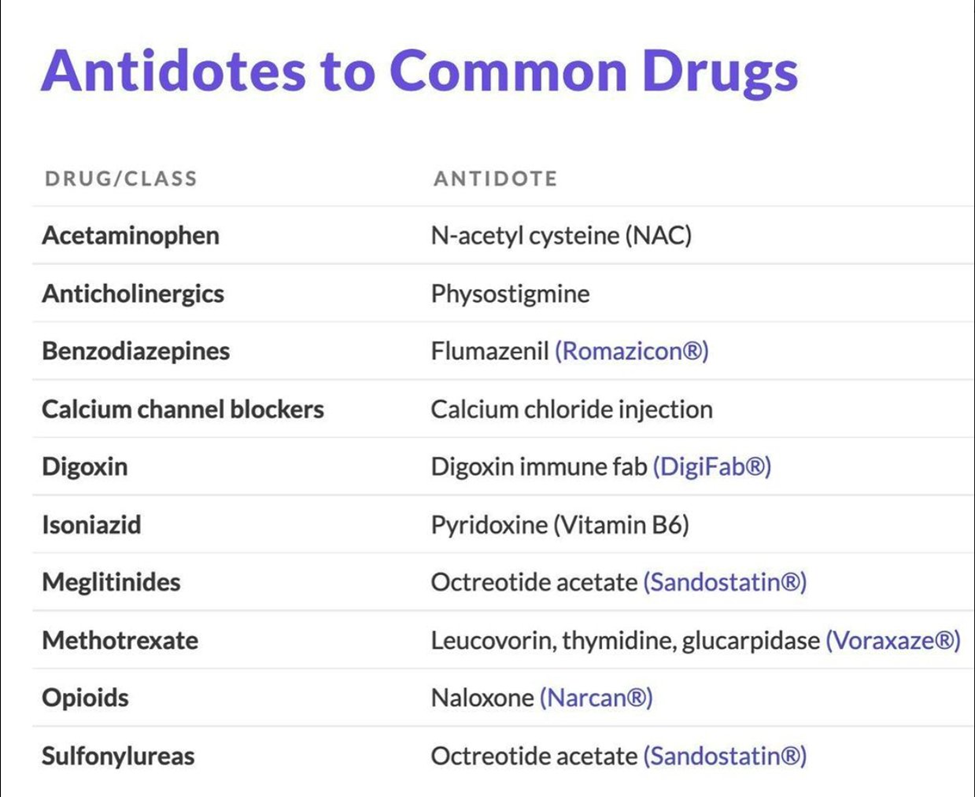
A. Butorphanol
Butorphanol is a mixed opioid agonist-antagonist. It has both agonist and antagonist properties at opioid receptors. While it can be used for pain management, it is not commonly used for opioid overdose reversal.
B. Naloxone
Naloxone is an opioid receptor antagonist and is the drug of choice for reversing opioid overdose, including morphine overdose. It works by competitively binding to opioid receptors, blocking the effects of opioids.
C. Flumazenil
Flumazenil is a selective antagonist for benzodiazepines. It is used to reverse the effects of benzodiazepine overdose but does not have an effect on opioid overdose.
D. Pentazocine
Pentazocine is a mixed opioid agonist-antagonist. Like butorphanol, it has both agonist and antagonist properties at opioid receptors. It is used for pain management but is not commonly used for opioid overdose reversal.
Correct Answer is A
Explanation
A. "Bisacodyl (Dulcolax) increases peristalsis to produce a bowel movement." - This is correct. Bisacodyl is a stimulant laxative that works by irritating the intestines, leading to increased peristalsis and bowel movements.
B. "Bisacodyl (Dulcolax) is incompatible with alcohol consumption." - There is no specific information suggesting incompatibility with alcohol. However, excessive alcohol consumption can contribute to constipation, and it's generally advisable to stay hydrated, which can be affected by alcohol intake.
C. "Bisacodyl (Dulcolax) should be avoided during pregnancy as it is teratogenic." - There is no strong evidence to suggest that bisacodyl is teratogenic. However, it is recommended to use laxatives cautiously during pregnancy and under the guidance of a healthcare provider.
D. "Bisacodyl (Dulcolax) may lead to paralytic ileus." - Paralytic ileus is not a common side effect of bisacodyl. However, it's important to use laxatives cautiously in individuals with a history of bowel obstruction or other gastrointestinal issues.
Whether you are a student looking to ace your exams or a practicing nurse seeking to enhance your expertise , our nursing education contents will empower you with the confidence and competence to make a difference in the lives of patients and become a respected leader in the healthcare field.
Visit Naxlex, invest in your future and unlock endless possibilities with our unparalleled nursing education contents today