
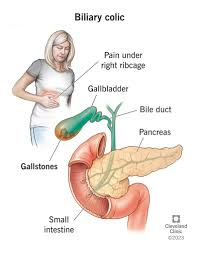
The physician has seen the client and informed the nurse that the client is suffering from an episode of biliary colic. The nurse should check the medication record for a prescription to give:
A cream to soothe the itching.
Pain medication.
An antibiotic.
A laxative.
The Correct Answer is B
Choice a reason:
A cream to soothe itching may be used if the client is experiencing pruritus, which can sometimes accompany biliary issues due to bile salts in the skin. However, pruritus is not a direct symptom of biliary colic, which is characterized primarily by pain.
Choice b reason:
Pain medication is the appropriate treatment for biliary colic. Biliary colic is caused by the temporary blockage of the bile duct by a gallstone, leading to intense pain in the upper right abdomen or the center of the abdomen. Pain relief is typically achieved with anti-inflammatory drugs or antispasmodics, and in some cases, opioids may be necessary.
Choice c reason:
An antibiotic would be prescribed if there was an infection, such as cholecystitis or cholangitis. Biliary colic itself does not necessarily indicate an infection unless accompanied by other symptoms such as fever or elevated white blood cell count.
Choice d reason:
A laxative is not typically used to treat biliary colic. While laxatives can help relieve constipation, biliary colic is a result of gallstones obstructing the bile duct, not bowel movement issues.
Nursing Test Bank
Naxlex Comprehensive Predictor Exams
Related Questions
Correct Answer is C
Explanation
Choice A Reason
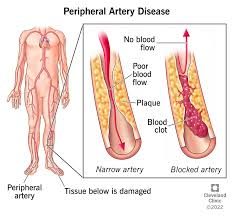
While hypertension can contribute to the development of PAD, it does not directly cause fats to deposit in the arteries. Hypertension can damage the arterial walls, making them more susceptible to atherosclerosis, but it is not the primary mechanism of PAD development.
Choice B Reason
Excess fats in the diet can contribute to atherosclerosis, which is the accumulation of plaques in the arterial walls. However, the fats do not simply get stored; they combine with other substances, including calcium and inflammatory cells, to form plaques that can restrict blood flow.
Choice C Reason
This statement is the most accurate. PAD is primarily caused by atherosclerosis, which is the buildup of plaques formed by fats, cholesterol, calcium, and other substances in the blood. These plaques can harden and narrow the arteries, leading to reduced blood flow to the extremities. The process can be exacerbated by factors such as smoking, diabetes, and high cholesterol.
Arterial spasms can occur, but they are not the typical cause of chronic PAD. Spasms are more often associated with conditions like Raynaud's phenomenon or can be a response to stress or cold temperatures. PAD is usually a result of progressive atherosclerosis rather than intermittent spasms.
Correct Answer is A
Explanation
Choice A Reason:
Smoking, hypertension, obesity, diabetes, and hyperlipidemia are all well-established risk factors for heart disease. Smoking damages the lining of the arteries, leading to a buildup of fatty material which narrows the artery. Hypertension can cause hardening and thickening of the arteries, which can lead to a heart attack or stroke. Obesity increases the likelihood of high blood pressure, high cholesterol levels, and diabetes, all of which are risk factors for heart disease. Diabetes increases the risk of heart disease significantly, as high blood sugar levels can damage blood vessels and the nerves that control the heart. Hyperlipidemia, particularly high levels of LDL cholesterol, can lead to plaque buildup in the arteries, increasing the risk of heart attack or stroke.
Choice B Reason:
Family history is a non-modifiable risk factor for heart disease, as genetics can play a role in an individual's likelihood of developing heart conditions. Stress can contribute to heart disease risk factors such as hypertension and is associated with other unhealthy behaviors. Hypertension and age are both significant risk factors; the risk of heart disease increases with age and with sustained high blood pressure.
Choice C Reason:
Alcohol consumption in excess can lead to high blood pressure, heart failure, or stroke. Obesity, diabetes, and stress are all risk factors as previously mentioned. Hyperlipidemia is also a modifiable risk factor that can be managed through diet, exercise, and medication.
Choice D Reason:
Personality type itself is not a direct risk factor for heart disease, but certain personality traits can lead to stress, which is a risk factor. Hyperlipidemia, diabetes, and smoking are all direct risk factors for heart disease as they contribute to the development of cardiovascular conditions.
Whether you are a student looking to ace your exams or a practicing nurse seeking to enhance your expertise , our nursing education contents will empower you with the confidence and competence to make a difference in the lives of patients and become a respected leader in the healthcare field.
Visit Naxlex, invest in your future and unlock endless possibilities with our unparalleled nursing education contents today