
Eight hours postoperative following a total knee replacement, which intervention should the nurse implement for the client?
Apply cool compresses to the affected limb every six hours.
Place a soft pillow under the affected knee.
Promote bedrest for 24 hours.
Encourage increased fluid intake.
The Correct Answer is D
Choice A Reason
Applying cool compresses to the affected limb can help reduce swelling and provide pain relief. However, it's important to follow the surgeon's specific postoperative orders, as the application of cold can vary depending on the surgical technique and patient's condition.
Choice B Reason
Placing a soft pillow under the knee is not recommended after total knee replacement surgery. This position can lead to decreased range of motion and contractures. The knee should be kept in a more extended position to promote healing and mobility.
Choice C Reason
Promoting bedrest for an extended period is not typically advised following knee replacement surgery. Early mobilization is important to prevent complications such as deep vein thrombosis and to encourage circulation and healing. The duration of bedrest should be as per the surgeon's protocol.
Choice D Reason
Encouraging increased fluid intake is important after surgery to prevent dehydration, promote kidney function, and ensure adequate blood volume and circulation. Proper hydration is essential for healing and can help with the metabolism of medications used during and after surgery.
Nursing Test Bank
Naxlex Comprehensive Predictor Exams
Related Questions
Correct Answer is B
Explanation
Choice a reason:
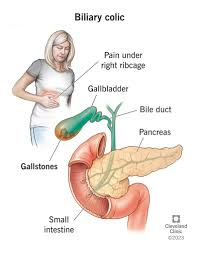
A cream to soothe itching may be used if the client is experiencing pruritus, which can sometimes accompany biliary issues due to bile salts in the skin. However, pruritus is not a direct symptom of biliary colic, which is characterized primarily by pain.
Choice b reason:
Pain medication is the appropriate treatment for biliary colic. Biliary colic is caused by the temporary blockage of the bile duct by a gallstone, leading to intense pain in the upper right abdomen or the center of the abdomen. Pain relief is typically achieved with anti-inflammatory drugs or antispasmodics, and in some cases, opioids may be necessary.
Choice c reason:
An antibiotic would be prescribed if there was an infection, such as cholecystitis or cholangitis. Biliary colic itself does not necessarily indicate an infection unless accompanied by other symptoms such as fever or elevated white blood cell count.
Choice d reason:
A laxative is not typically used to treat biliary colic. While laxatives can help relieve constipation, biliary colic is a result of gallstones obstructing the bile duct, not bowel movement issues.
Correct Answer is A
Explanation
Choice A Reason:
Maintaining normal salt and fluid intake is crucial for patients on lithium. Lithium can affect sodium levels in the body, and consistent sodium intake helps to keep lithium levels stable. Patients should be advised to drink adequate fluids to prevent dehydration but avoid excessive fluid intake, which could alter lithium levels and potentially lead to toxicity¹²³⁴.
Choice B Reason:
Drinking twice the usual amount of fluids daily is not recommended for patients on lithium unless directed by a healthcare provider. Excessive fluid intake can lead to changes in lithium levels and increase the risk of lithium toxicity. Patients should aim to consume a sufficient amount of fluids to stay hydrated, especially in situations that may lead to dehydration, such as during hot weather or illness.
Choice C Reason:
Avoiding aged cheese, processed meats, and red wine is generally advised for patients taking monoamine oxidase inhibitors (MAOIs), not lithium. These foods can contain high levels of tyramine, which can interact with MAOIs. However, there are no specific dietary restrictions for lithium regarding these foods. Patients should follow a balanced diet and consult with their healthcare provider for personalized dietary advice.
Choice D Reason:
Doubling the lithium dose if diarrhea or vomiting occurs is incorrect and potentially dangerous. If a patient experiences diarrhea or vomiting, it can affect lithium absorption and increase the risk of toxicity. Instead, patients should contact their healthcare provider for guidance. Adjustments to the medication regimen should only be made under medical supervision.
Whether you are a student looking to ace your exams or a practicing nurse seeking to enhance your expertise , our nursing education contents will empower you with the confidence and competence to make a difference in the lives of patients and become a respected leader in the healthcare field.
Visit Naxlex, invest in your future and unlock endless possibilities with our unparalleled nursing education contents today