
The patient is being discharged with nitroglycerin (Nitrostat). Patient education would include instructions to:
"Place three tablets under your tongue, and call 911."
“Swallow three tablets immediately for pain, and call 911.”
"For chest pain, put one tablet under your tongue every 5 minutes; taking no more than a total of three tablets."
"Call your healthcare provider when you have chest pain. The provider will tell you how many tablets to take."
The Correct Answer is C
A. Placing three tablets under the tongue at once is not the recommended initial dosing for nitroglycerin.
B. Nitroglycerin tablets should not be swallowed; they are meant to be taken sublingually (under the tongue) for quick absorption.
C. This is the correct instruction, reflecting the standard protocol for acute angina treatment with nitroglycerin: one tablet under the tongue every 5 minutes as needed, with no more than three tablets in 15 minutes. If pain persists, it is advised to call emergency services.
D. This instruction is inappropriate as it delays immediate treatment for chest pain, which can be critical in the event of acute angina or a heart attack.
Nursing Test Bank
Naxlex Comprehensive Predictor Exams
Related Questions
Correct Answer is ["B","C","D"]
Explanation
A. While medication may be necessary for some individuals with high lipid levels, lifestyle modifications should be attempted first.
B. Smoking cessation can help improve lipid profiles and overall cardiovascular health.
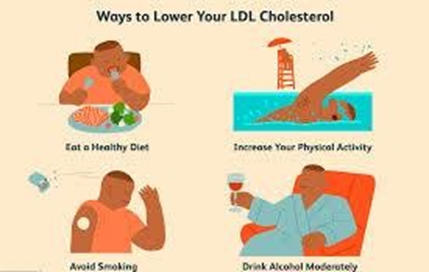
C. Increased exercise can help lower lipid levels and improve cardiovascular health.
D. Restricting dietary cholesterol can help lower blood lipid levels.
E. Unsaturated fats, particularly monounsaturated and polyunsaturated fats, are actually beneficial for heart health and should not be restricted.
Correct Answer is B
Explanation
A. Giving methylphenidate with food may help alleviate gastrointestinal side effects but is not directly related to sleep disturbances.
B. The timing of medication administration, particularly if methylphenidate is being given too late in the day, can contribute to sleep disturbances.
C. Sleep apnea is a significant concern but is not directly related to the child's sleep disturbances since starting methylphenidate.
D. While school performance may be impacted by sleep disturbances, addressing the timing of medication administration is more directly relevant to the child's sleep issues.
Whether you are a student looking to ace your exams or a practicing nurse seeking to enhance your expertise , our nursing education contents will empower you with the confidence and competence to make a difference in the lives of patients and become a respected leader in the healthcare field.
Visit Naxlex, invest in your future and unlock endless possibilities with our unparalleled nursing education contents today