
The nurse suspects another nurse of substance use disorder while working in the long-term care facility. Which behavior(s) will the observing nurse report to the nurse manager? Select all that apply.
The narcotic count is incorrect when the nurse ends the shift.
The nurse has poor hygiene practices and has an offensive body odor.
The observing nurse finds oral narcotics blister packs torn in the back.
The clients are reporting a lack of pain control when the nurse is working.
The nurse administers narcotics and then goes to use the bathroom.
Correct Answer : A,C,D,E
Choice A: The narcotic count is incorrect when the nurse ends the shift
An incorrect narcotic count at the end of a shift is a serious issue that could indicate potential drug diversion. It's crucial for nurses to accurately count and document narcotics to ensure patient safety and maintain legal and ethical standards. Therefore, this behavior should be reported to the nurse manager.
Choice B: The nurse has poor hygiene practices and has an offensive body odor
While poor hygiene and offensive body odor can be disruptive and unpleasant in a workplace setting, they are not direct indicators of substance use disorder. However, it's important to note that changes in personal hygiene can sometimes be a sign of other health or personal issues.
Choice C: The observing nurse finds oral narcotics blister packs torn in the back
Finding torn narcotics blister packs could indicate that a nurse is diverting drugs for personal use. This is a serious violation of nursing practice and should be reported immediately.
Choice D: The clients are reporting a lack of pain control when the nurse is working
If patients consistently report a lack of pain control when a specific nurse is working, it could suggest that the nurse is not administering the prescribed pain medications properly¹?¹?¹?¹?¹?. This could be due to a variety of reasons, including potential drug diversion, and should be reported.
Choice E: The nurse administers narcotics and then goes to use the bathroom
Frequent bathroom breaks immediately after administering narcotics could be a red flag for drug diversion. While there could be other explanations, this behavior in the context of the other signs could indicate a substance use disorder and should be reported.
Nursing Test Bank
Naxlex Comprehensive Predictor Exams
Related Questions
Correct Answer is A
Explanation
Choice A reason: Projection involves attributing one's own unacceptable feelings or thoughts to others, which may be the case when the student blames the teacher for their own failure.
Choice B reason: Displacement involves shifting negative feelings to a less threatening object or person, which is not clearly indicated in this scenario.
Choice C reason: Rationalization involves justifying behaviors or feelings with logical reasons, often avoiding the true reasons, which does not seem to apply here.
Choice D reason: Denial involves refusing to accept reality or facts, which is not the defense mechanism being demonstrated by the student's behavior of blaming the teacher.
Correct Answer is ["A","B","C","E"]
Explanation
Choice A reason: Demonstrating alternative ways to deal with stress and anxiety is a measurable outcome, as the client can be observed utilizing different coping strategies in response to stressors.
Choice B reason: The ability to verbally express emotional feelings is an important therapeutic goal for clients with somatic symptom disorder, as it can help them articulate emotions rather than expressing them through physical symptoms.
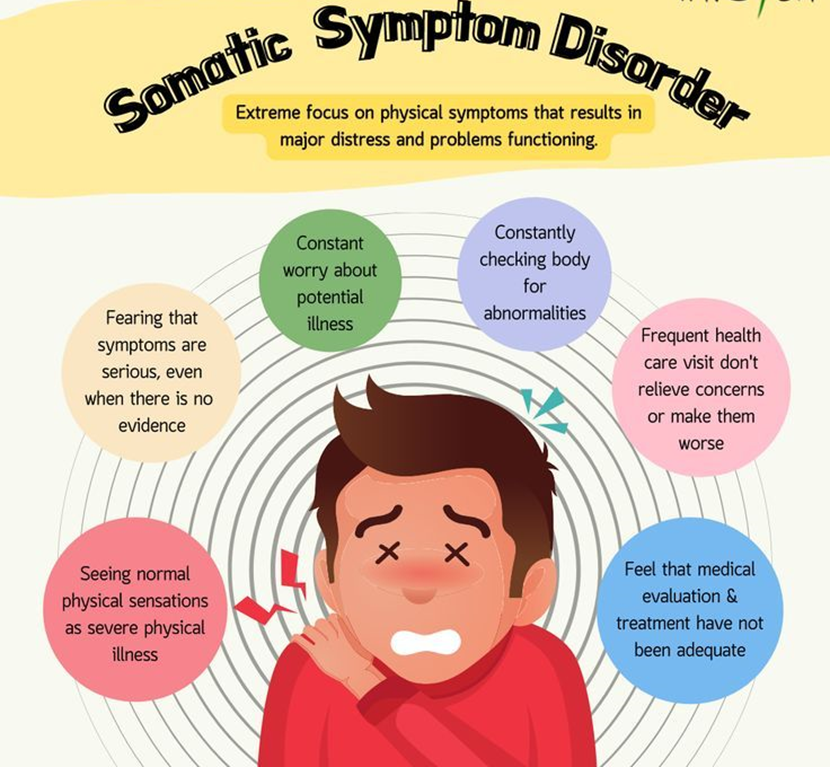
Choice C reason: Identifying the relationship between stress and physical symptoms is a key component of managing somatic symptom disorder, as it helps the client understand how psychological factors can manifest physically.
Choice D reason: Learning to vary their schedule can help the client avoid routines that may contribute to stress, providing a sense of control and flexibility.
Choice E reason: Assuming responsibility for self-care activities is a significant step towards empowerment and self-management, which is essential for long-term treatment success.
Whether you are a student looking to ace your exams or a practicing nurse seeking to enhance your expertise , our nursing education contents will empower you with the confidence and competence to make a difference in the lives of patients and become a respected leader in the healthcare field.
Visit Naxlex, invest in your future and unlock endless possibilities with our unparalleled nursing education contents today