
The nurse observes the final diagnosis of four clients in their case reports as given below.
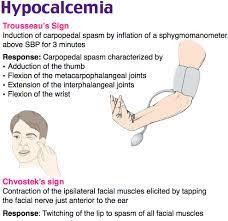
In which client does the nurse notice the presence of Chvostek sign and Trousseau sign?
Hypothyroidism
Pineal tumor
Hypoparathyroidism
Pheochromocytoma
The Correct Answer is C
Choice A rationale: Chvostek and Trousseau signs are not typically associated with hypothyroidism.
Choice B rationale: These signs are not commonly related to pineal tumors.
Choice C rationale: Chvostek and Trousseau signs, indicating neuromuscular irritability due to hypocalcemia, are often seen in hypoparathyroidism.
Choice D rationale: Chvostek and Trousseau signs are not characteristic findings in pheochromocytoma.
Nursing Test Bank
Naxlex Comprehensive Predictor Exams
Related Questions
Correct Answer is B
Explanation
Choice A rationale: This test is not specific for confirming osteoporosis.
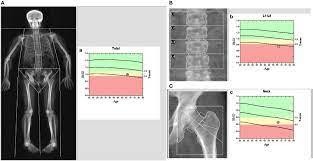
Choice B rationale: This test is called a bone mineral density (BMD) test or a dual-energy X-ray absorptiometry (DXA) scan. It measures how much calcium and other minerals are in a segment of bone.
Choice C rationale: This test is not specific for confirming osteoporosis.
Choice D rationale: This test is not specific for confirming osteoporosis.
Correct Answer is A
Explanation
Choice A rationale: This is a condition that causes scar tissue to form in the penis, resulting in abnormal curvature, pain, and erectile dysfunction.
Choice B rationale: Hypospadias is a congenital defect in which the opening of the urethra is on the underside of the penis, not at the tip.
Choice C rationale: Phimosis is a condition in which the foreskin of the penis cannot be retracted fully, leading to inflammation and infection.
Choice D rationale: Orchitis is an inflammation of one or both testicles, usually caused by an infection.
Whether you are a student looking to ace your exams or a practicing nurse seeking to enhance your expertise , our nursing education contents will empower you with the confidence and competence to make a difference in the lives of patients and become a respected leader in the healthcare field.
Visit Naxlex, invest in your future and unlock endless possibilities with our unparalleled nursing education contents today