
The nurse is teaching methods of contraception with a young client. The client decides on the contraceptive sponge as her method of choice Which information should the Nurse include in the teaching?
“You can use this at any time. even when you are menstruating.”
“Keep the sponge in place for at least 6 hours after intercourse.”
“You need to have the sponge fited before using it.”
“Clean the with mild soap and water after using it.”
The Correct Answer is B
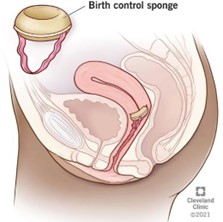
The contraceptive sponge is a barrier method of contraception that is inserted into the vagina before sexual intercourse. It contains spermicide and blocks the sperm from reaching the egg. The sponge must be left in place for at least 6 hours after intercourse before it is removed. Don't leave it in for more than a total of 30 hours.
a. "You can use this at any time, even when you are menstruating" is incorrect information because the contraceptive sponge should not be used during menstruation.
c. "You need to have the sponge fited before using it" is incorrect information because the contraceptive sponge is a one-size-fits-all device and does not require fitting.
d. "Clean the with mild soap and water after using it" is also incorrect information because the contraceptive sponge is a disposable device and should be discarded after use. It should not be reused or washed.
Nursing Test Bank
Naxlex Comprehensive Predictor Exams
Related Questions
Correct Answer is C
Explanation
All the options are important for the nurse to include in their community teaching, but the most important key point for the nurse to emphasize would be option C: many people are asymptomatic and show no symptoms of the disease. This is important because individuals who have sexually transmitted infections but are asymptomatic may unknowingly spread the infection to others, including their sexual partners. It is essential for individuals to understand that they may have an infection even if they feel perfectly healthy, and to get tested regularly to prevent the spread of sexually transmitted infections.

Correct Answer is D
Explanation
Lower abdominal pelvic pain is a common clinical manifestation of ovarian cancer. Ovarian cancer may not cause any noticeable symptoms in its early stages, but as the cancer grows and spreads, symptoms may develop. Pelvic pain or pressure is a common symptom, along with bloating, difficulty eating or feeling full quickly, and urinary urgency or frequency. Other symptoms may include fatigue, indigestion, back pain, constipation, and menstrual irregularities. A fish-like odor (a symptom of bacterial vaginosis) increased abdominal girth,
fever and chills, and leukocytosis are not typically associated with ovarian cancer. However, leukocytosis (an elevated white blood cell count) may be present in response to inflammation or infection. It is important for the nurse to assess the client's symptoms thoroughly and report any concerning findings to the healthcare provider.
Whether you are a student looking to ace your exams or a practicing nurse seeking to enhance your expertise , our nursing education contents will empower you with the confidence and competence to make a difference in the lives of patients and become a respected leader in the healthcare field.
Visit Naxlex, invest in your future and unlock endless possibilities with our unparalleled nursing education contents today