
The nurse is reviewing fetal circulation with a pregnant patient and explains that blood circulates through the placenta to the fetus. What is the function of ductus arteriosus?
Select one:
Lungs bypass
Brain bypass
Liver bypass
Cardiac bypass
The Correct Answer is A
a. The function of the ductus arteriosus is to bypass the lungs in fetal circulation, allowing oxygenated blood from the placenta to be shunted directly to systemic circulation.
b. Ductus arteriosus does not bypass the brain; it specifically bypasses the lungs.
c. Ductus venosus shunts blood away from the liver, not the ductus arteriosus.
d. Ductus arteriosus shunts blood away from the lungs, not the heart itself.
Nursing Test Bank
Naxlex Comprehensive Predictor Exams
Related Questions
Correct Answer is C
Explanation
a. This is a test for renal function, not fetal lung maturity.
b. This is a test for glucose control, not fetal lung maturity.
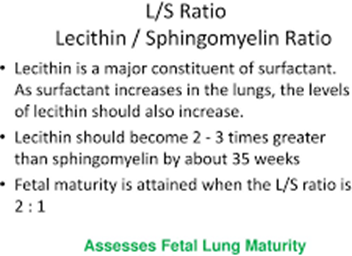
c. An L/S ratio of 2:1 or greater indicates that the fetal lungs have reached maturity.
d. This is a test of fetal well-being and does not indicate fetal lung maturity. This ratio indicates that the fetal lungs have enough surfactant to prevent alveolar collapse and respiratory distress syndrome.
Correct Answer is A
Explanation
a. Amenorrhea, or the absence of menstrual periods, is a presumptive sign of pregnancy that occurs around the time of implantation of the fertilized egg.
b. A positive pregnancy test is a probable sign of pregnancy that can occur as early as 7-10 days after conception.
c. Chadwick's sign, or the bluish discoloration of the cervix and vagina, is a probable sign of pregnancy that typically occurs around 6-8 weeks of gestation.
d. Hegar's sign, or the softening of the lower uterine segment, is a probable sign of pregnancy that typically occurs around 6-12 weeks of gestation.
Whether you are a student looking to ace your exams or a practicing nurse seeking to enhance your expertise , our nursing education contents will empower you with the confidence and competence to make a difference in the lives of patients and become a respected leader in the healthcare field.
Visit Naxlex, invest in your future and unlock endless possibilities with our unparalleled nursing education contents today