
The nurse is planning a nutritional class for adequate daily intake of water. Which population of clients should drink the most amount of water to remain adequately hydrated?
Clients who are between the ages of 19 and 64-years-old.
Older adult clients who are receiving dialysis twice a week.
Adolescent females who are menstruating.
Lactating mothers who are breastfeeding.
The Correct Answer is D
A. Clients who are between the ages of 19 and 64-years-old. While adults in this age range do need to maintain good hydration, their water needs are not as increased as those of lactating mothers.
B. Older adult clients who are receiving dialysis twice a week. These clients typically have fluid restrictions to manage fluid balance and prevent complications related to dialysis and kidney function.
C. Adolescent females who are menstruating. Although menstruating females do need to stay hydrated, their water requirements are not as high as those of lactating mothers.
D. Lactating mothers who are breastfeeding. Breastfeeding mothers require significantly more water to support milk production. Increased fluid intake is necessary to replace the fluids lost through breastfeeding and ensure both the mother's and the baby's hydration needs are met.
Nursing Test Bank
Naxlex Comprehensive Predictor Exams
Related Questions
Correct Answer is ["B","D"]
Explanation
A. Alcohol (ethanol), orange juice, seeds. Alcohol should be avoided, but orange juice is high in vitamin C, which can enhance iron absorption. However, seeds are not a significant source of
iron.
B. Spinach, kale, collard greens. These dark leafy greens are rich in non-heme iron, which is beneficial for someone with iron-deficiency anemia.
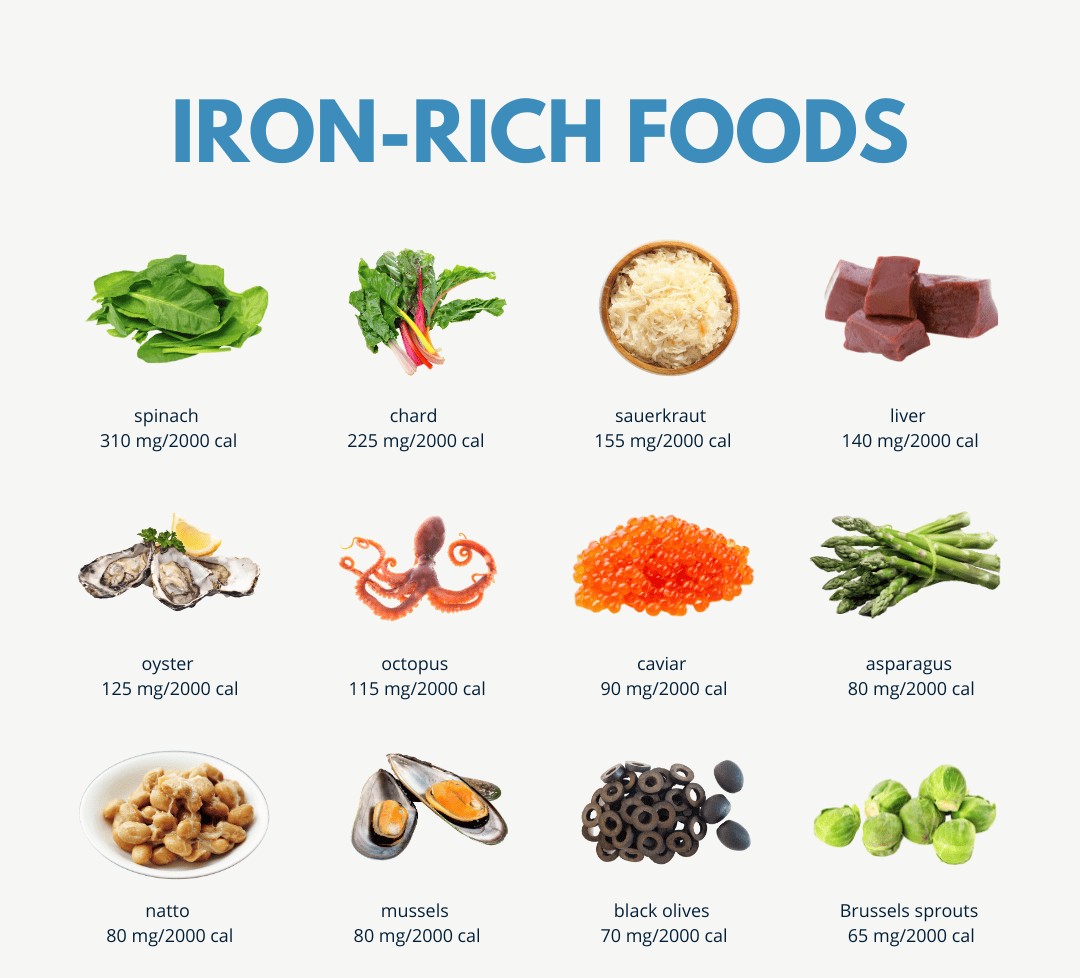
C. Milk, ice cream, buttermilk. These dairy products contain little to no iron and can actually inhibit iron absorption due to their calcium content.
D. Beans, brown rice, apricots. Beans are a good source of iron, brown rice provides some iron, and apricots are also a good source of iron, making these foods beneficial for iron-deficiency anemia.
E. Salted nuts, corn, oranges. Salted nuts and corn are not particularly high in iron, although oranges are good for vitamin C, which helps with iron absorption. However, the focus should be on iron-rich foods directly.
Correct Answer is D
Explanation
A. Urinary ketones are incorrect. Urinary ketones are more relevant in clients with diabetes or starvation states, but monitoring capillary glucose is more important in clients on TPN, as they may experience fluctuations in blood sugar levels.
B. Serum protein is incorrect. While serum protein is important for assessing nutritional status, capillary glucose is more critical for monitoring during TPN administration.
C. Serum osmolarity is incorrect. Serum osmolarity is important to assess fluid and electrolyte balance, but capillary glucose is more frequently monitored due to the risk of hyperglycemia in TPN patients.
D. Capillary glucose is correct. TPN contains high levels of glucose, and monitoring capillary glucose is critical to detect hyperglycemia and adjust the infusion rate or insulin therapy accordingly.
Whether you are a student looking to ace your exams or a practicing nurse seeking to enhance your expertise , our nursing education contents will empower you with the confidence and competence to make a difference in the lives of patients and become a respected leader in the healthcare field.
Visit Naxlex, invest in your future and unlock endless possibilities with our unparalleled nursing education contents today