
The nurse is explaining Tanner staging to an adolescent and her mother. Which statement best describes Tanner staging?
Predictable stages of puberty that are based on chronological age.
Staging of puberty based on the sexual behavior of the child.
Staging of puberty based on the increase in height and weight.
Predictable stages of puberty that are based on primary and secondary sexual characteristics.
The Correct Answer is D
Choice A reason: This statement is incorrect, as Tanner staging is not based on chronological age, but on the physical development of the child. Children may enter and progress through puberty at different ages, depending on their genetic, environmental, and nutritional factors.
Choice B reason: This statement is incorrect, as Tanner staging is not based on the sexual behavior of the child, but on the appearance of the external genitalia, breasts, and pubic hair. Sexual behavior is influenced by many factors, such as social, cultural, and psychological factors, and does not necessarily correlate with the stage of puberty.
Choice C reason: This statement is incorrect, as Tanner staging is not based on the increase in height and weight, but on the maturation of the reproductive organs and secondary sex characteristics. Height and weight are affected by many factors, such as nutrition, health, and genetics, and do not necessarily reflect the stage of puberty.
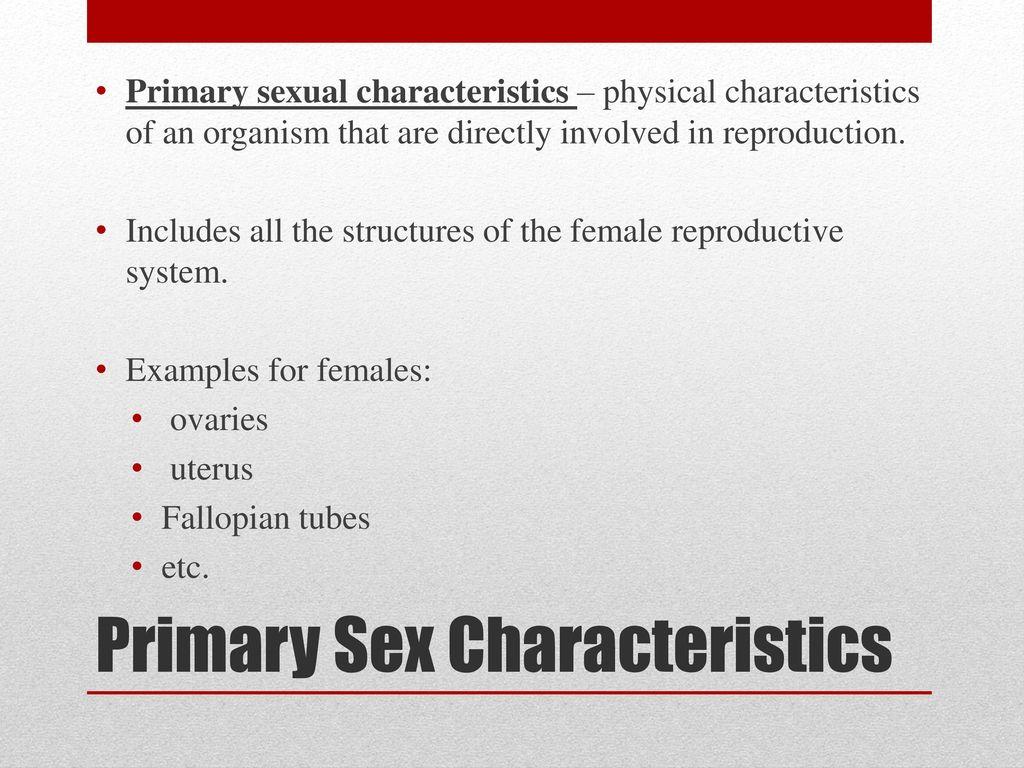
Choice D reason: This statement is correct, as Tanner staging is based on the predictable stages of puberty that are based on primary and secondary sexual characteristics. Primary sexual characteristics are the development of the internal and external reproductive organs, such as the ovaries, testes, uterus, penis, and vagina. Secondary sexual characteristics are the changes that occur in other parts of the body, such as the breasts, pubic hair, axillary hair, voice, and body shape.
Nursing Test Bank
Naxlex Comprehensive Predictor Exams
Related Questions
Correct Answer is A
Explanation
Choice A reason: This statement is correct, as atopic dermatitis (eczema) is a chronic inflammatory skin disorder that is often linked to allergic conditions, such as asthma, hay fever, or food allergies. It also has a genetic component, as it tends to run in families.
Choice B reason: This statement is incorrect, as atopic dermatitis (eczema) is not associated with upper respiratory tract infections, but rather with lower respiratory tract infections, such as bronchitis or pneumonia. Upper respiratory tract infections affect the nose, throat, and sinuses, while lower respiratory tract infections affect the lungs and airways.
Choice C reason: This statement is incorrect, as atopic dermatitis (eczema) is not easily cured, but rather a chronic and relapsing condition that requires long-term management. There is no cure for eczema, but the symptoms can be controlled with medications, moisturizers, and avoidance of triggers.
Choice D reason: This statement is incorrect, as treatment for atopic dermatitis (eczema) does not include keeping the skin dry, but rather keeping the skin moist and hydrated. Dry skin can worsen the itching and inflammation of eczema, so the nurse should advise the parents to apply emollients to the infant's skin after bathing, use mild and fragrance-free soaps and detergents, and avoid excessive heat and sweating.
Correct Answer is D
Explanation
Choice A reason: This is not a good choice. Septic shock is a type of distributive shock that occurs when an infection causes a systemic inflammatory response that leads to vasodilation, hypotension, and organ dysfunction. Septic shock is not the most common type of shock in children, although it can be a serious and life-threatening condition.
Choice B reason: This is not a good choice. Anaphylactic shock is a type of distributive shock that occurs when an allergic reaction causes a severe and rapid hypersensitivity response that leads to bronchoconstriction, angioedema, and hypotension. Anaphylactic shock is not the most common type of shock in children, although it can be a medical emergency that requires immediate treatment.
Choice C reason: This is not a good choice. Distributive shock is a broad category of shock that occurs when there is a loss of vascular tone and blood volume distribution that leads to hypoperfusion and tissue hypoxia. Distributive shock can be caused by various factors, such as sepsis, anaphylaxis, neurogenic injury, or adrenal insufficiency. Distributive shock is not the most common type of shock in children, although it can be a complex and challenging condition to manage.
Choice D reason: This is the correct choice. Hypovolemic shock is the most common type of shock in children. Hypovolemic shock occurs when there is a loss of blood or fluid volume that leads to decreased preload, cardiac output, and blood pressure. Hypovolemic shock can be caused by various factors, such as hemorrhage, dehydration, vomiting, diarrhea, or burns. Hypovolemic shock can be a life-threatening condition that requires prompt fluid resuscitation and correction of the underlying cause.

Whether you are a student looking to ace your exams or a practicing nurse seeking to enhance your expertise , our nursing education contents will empower you with the confidence and competence to make a difference in the lives of patients and become a respected leader in the healthcare field.
Visit Naxlex, invest in your future and unlock endless possibilities with our unparalleled nursing education contents today