
The nurse is collecting data from the caregiver of an 8-year-old child who recently started soiling his underwear each day rather than using the toilet to defecate.
This behavior indicates a symptom of:
Encephalopathy.
Encopresis.
Enuresis.
Echolalia.
The Correct Answer is B
Encopresis is the repeated passage of feces into inappropriate places such as clothing or the floor by a child who is already toilet trained.
Choice A is not correct because encephalopathy refers to a disease or disorder that affects the brain.
Choice C is not correct because enuresis refers to involuntary urination, especially by children at night.
Choice D is not correct because echolalia refers to the repetition of vocalizations made by another person.
Nursing Test Bank
Naxlex Comprehensive Predictor Exams
Related Questions
Correct Answer is D
Explanation
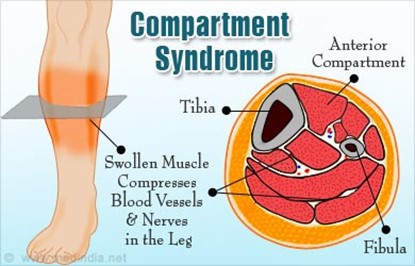
Compartment syndrome is a condition where increased pressure within a muscle compartment causes muscle and nerve damage along with pain.
One of the symptoms of compartment syndrome is severe pain that increases with the stretching of muscles.
Choice A is not correct because blue-looking nail beds on the toes are not a symptom of compartment syndrome.
Choice B is not correct because a weak femoral pulse is not a symptom of compartment syndrome.
Choice C is not correct because the inability to plantarflex the foot is not a symptom of compartment syndrome.
Correct Answer is C
Explanation
Symmetry of the hips is a normal finding and is not a sign of developmental hip dysplasia.
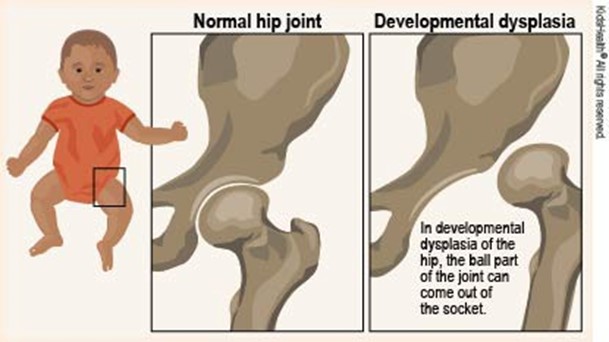
Choice A is not correct because limited abduction of the affected hip is a sign of developmental hip dysplasia.
Choice B is not correct because it includes all the other choices.
Choice D is not correct because shortening of the femur can be a sign of developmental hip dysplasia.
Whether you are a student looking to ace your exams or a practicing nurse seeking to enhance your expertise , our nursing education contents will empower you with the confidence and competence to make a difference in the lives of patients and become a respected leader in the healthcare field.
Visit Naxlex, invest in your future and unlock endless possibilities with our unparalleled nursing education contents today