
The nurse is caring for a client with ovarian cancer. The client is to receive chemotherapy consisting of paclitaxel and carboplatin. For What adverse effect of this treatment should the nurse look out for?
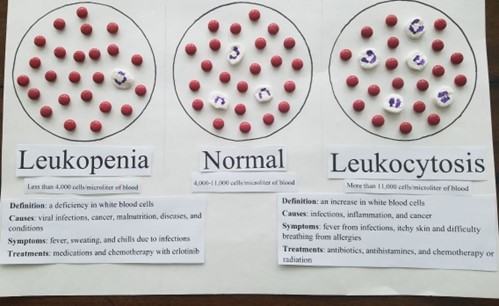
Leukopenia
Metabolic acidosis
Hyperphosphatemia
Respiratory alkalosis
The Correct Answer is A
A. Leukopenia: Chemotherapy with paclitaxel and carboplatin can cause myelosuppression, leading to a significant decrease in white blood cells (leukopenia). This makes the client more susceptible to infections and is a common and serious adverse effect that the nurse should monitor closely.
B. Metabolic acidosis: This condition is less commonly associated with chemotherapy agents like paclitaxel and carboplatin. It usually results from conditions like renal failure, diabetic ketoacidosis, or severe diarrhea rather than chemotherapy.
C. Hyperphosphatemia: This electrolyte imbalance is not a typical adverse effect of paclitaxel and carboplatin. It is more commonly associated with conditions like chronic kidney disease or excessive phosphate intake.
D. Respiratory alkalosis: This condition is typically caused by hyperventilation and is not a known direct adverse effect of paclitaxel and carboplatin chemotherapy. The nurse should monitor for more common side effects related to chemotherapy, such as leukopenia.
Nursing Test Bank
Naxlex Comprehensive Predictor Exams
Related Questions
Correct Answer is C
Explanation
- Avoid commercial feminine hygiene products. such as sprays.
The nurse should provide the following guidelines for a client who has experienced a vaginal
infection:
c. Avoid commercial feminine hygiene products, such as sprays, which can disrupt the natural pH balance of the vagina and increase the risk of infection.
d. Do not restrict daily washing but avoid using harsh soaps and perfumed products in the genital area, as these can also disrupt the natural pH balance.
- Wear loose-fitting cotton underwear instead of tight-fitting synthetic underwear, as cotton allows for better air circulation and helps to keep the genital area dry.
- Do not douche, as this can also disrupt the natural pH balance of the vagina and increase the
risk of infection.
In addition to these guidelines, the nurse should also encourage the client to maintain good overall hygiene, including showering or bathing regularly and wiping from front to back after using the toilet. The nurse should also advise the client to seek medical attention if any symptoms of a vaginal infection reoccur or worsen.
- Avoid commercial feminine hygiene products. such as sprays.
The nurse should provide the following guidelines for a client who has experienced a vaginal
infection:
c. Avoid commercial feminine hygiene products, such as sprays, which can disrupt the natural pH balance of the vagina and increase the risk of infection.
d. Do not restrict daily washing but avoid using harsh soaps and perfumed products in the genital area, as these can also disrupt the natural pH balance.
- Wear loose-fitting cotton underwear instead of tight-fitting synthetic underwear, as cotton allows for better air circulation and helps to keep the genital area dry.
- Do not douche, as this can also disrupt the natural pH balance of the vagina and increase the
risk of infection.
In addition to these guidelines, the nurse should also encourage the client to maintain good overall hygiene, including showering or bathing regularly and wiping from front to back after using the toilet. The nurse should also advise the client to seek medical attention if any symptoms of a vaginal infection reoccur or worsen.
Correct Answer is C
Explanation
This statement shows that the client understands the potential side effects of the treatment and knows to report any unusual symptoms to their healthcare provider. This is important because brachytherapy can cause vaginal bleeding, fever, or abdominal pain, which may be signs of infection or other complications.
Option a is partially correct, as it is important for clients undergoing active brachytherapy to restrict activity and avoid vigorous movements to prevent the dislodgement of radiation sources. However, this statement alone does not indicate that the client understands the potential complications or knows when to report them to the healthcare provider.
Option b is not directly related to the client's treatment or potential complications and does not indicate an understanding of the precautions and potential complications associated with active brachytherapy.
Option d is not necessarily required, as the client may not need to be in a private room during active brachytherapy. This option does not directly relate to the precautions or potential complications of the treatment.
Whether you are a student looking to ace your exams or a practicing nurse seeking to enhance your expertise , our nursing education contents will empower you with the confidence and competence to make a difference in the lives of patients and become a respected leader in the healthcare field.
Visit Naxlex, invest in your future and unlock endless possibilities with our unparalleled nursing education contents today