
The nurse is caring for a client with a wound from a biking accident. She assesses the wound and notices that the surrounding skin is very red and warm. The wound looks swollen and is draining a green like drainage. The nurse would recognize these symptoms would be a sign of what?
Anemia
Infection
Wound healing
Necrosis
The Correct Answer is B
Choice A rationale: Redness, warmth, swelling, and green drainage are not typically signs of anemia.
Choice B rationale: These symptoms are indicative of infection. Infections can cause localized redness, warmth, swelling, and the drainage of discolored material.
Choice C rationale: While wound healing may involve some inflammation, the described symptoms are more consistent with infection than normal wound healing.
Choice D rationale: Necrosis involves tissue death and is not typically associated with redness, warmth, and swelling.
Nursing Test Bank
Naxlex Comprehensive Predictor Exams
Related Questions
Correct Answer is A
Explanation
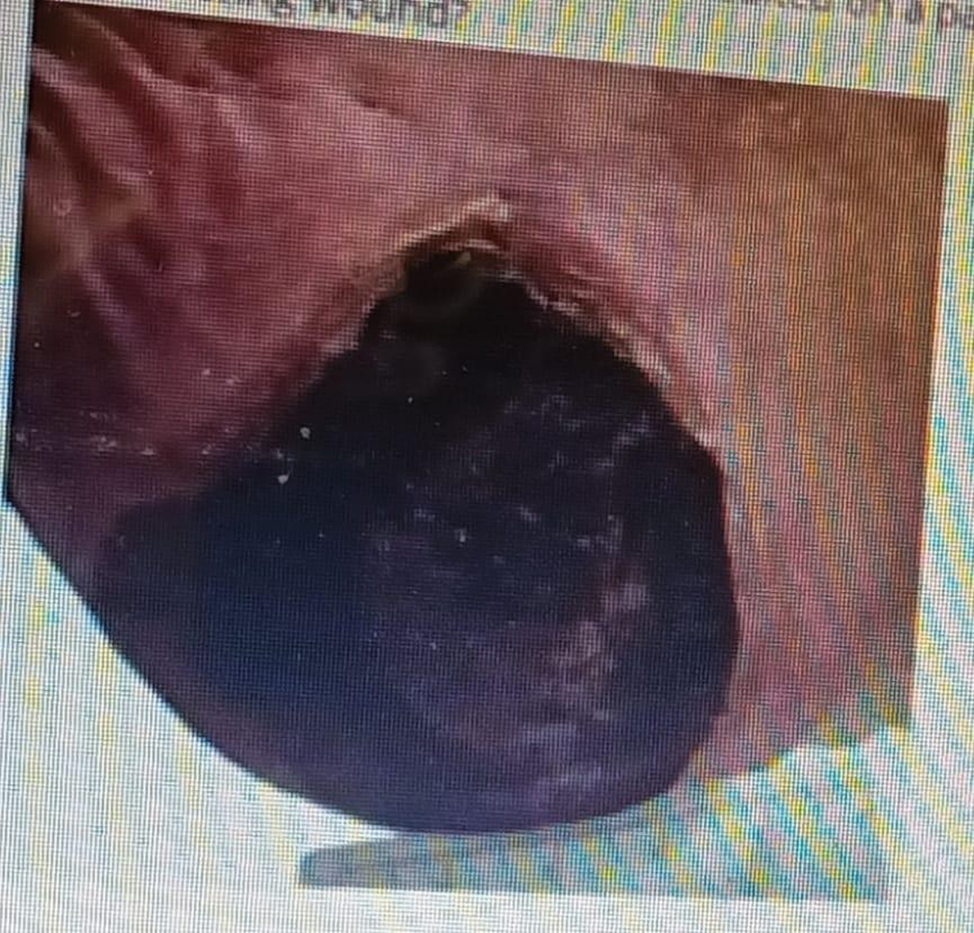
Choice A rationale: An unstageable ulcer is covered with slough or eschar, making it difficult to determine the depth of tissue involvement. The presence of eschar prevents accurate staging of the wound.
Choice B rationale: Stage II pressure ulcers involve partial-thickness skin loss, typically presenting as a shallow open ulcer with a red-pink wound bed.
Choice C rationale: Stage IV pressure ulcers involve full-thickness tissue loss with exposed bone, tendon, or muscle, which is not described in this scenario.
Choice D rationale: Stage III pressure ulcers involve full-thickness tissue loss without exposed bone, tendon, or muscle, but the presence of eschar makes accurate staging challenging.
Correct Answer is A
Explanation
Choice A rationale: Voiding and discarding the urine is the first step in a 24-hour urine collection to ensure that the collection starts with a fresh specimen.
Choice B rationale: Adding the first voiding to the specimen is not the correct initial step.
Choice C rationale: Keeping the urine warm during collection is important, but it is not the first step in the process.
Choice D rationale: Beginning the collection at a specific time is part of the process but not the initial step.
Whether you are a student looking to ace your exams or a practicing nurse seeking to enhance your expertise , our nursing education contents will empower you with the confidence and competence to make a difference in the lives of patients and become a respected leader in the healthcare field.
Visit Naxlex, invest in your future and unlock endless possibilities with our unparalleled nursing education contents today