
The nurse is caring for a client in an acute mental health unit. The client states, “I believe my food is poisoned.” Which of the following should be an appropriate action by the nurse?
Taking steps to prevent the client from verbalizing the delusional thoughts.
Allowing the client to select food from vending machines.
Explaining that others eat the same food and feel safe.
Encouraging the client to discuss why someone would poison the food.
The Correct Answer is B
Choice A Reason:
Taking steps to prevent the client from verbalizing delusional thoughts is not therapeutic. It can lead to the client feeling misunderstood and unsupported. Nurses should provide a safe environment where clients feel comfortable expressing their thoughts and feelings.
Choice B Reason:
Allowing the client to select food from vending machines can be a temporary measure to address the immediate concern of the client’s fear of being poisoned. It provides a sense of control over their situation and may help to reduce anxiety related to eating.
Choice C Reason:
Simply explaining that others eat the same food and feel safe may not be effective for a client experiencing delusions. Delusions are fixed beliefs that are not easily changed by logical explanations or evidence to the contrary.
Choice D Reason:
Encouraging the client to discuss why someone would poison the food might validate the delusion and could reinforce the false belief. It’s important to acknowledge the client’s feelings without supporting the delusional content.
Nursing Test Bank
Naxlex Comprehensive Predictor Exams
Related Questions
Correct Answer is D
Explanation
Choice A reason:
An unwillingness to accept that treatment is needed is not, by itself, a condition that can legally justify extending a hospital hold beyond the initial 72 hours. Treatment refusal can be a complex issue and may require a deeper understanding of the client's capacity to make informed decisions.
Choice B reason:
The client's intention to move out of the state does not constitute a legal basis for extending a hospital hold. The focus of continued hospitalization would be on immediate safety concerns rather than future living arrangements.
Choice C reason:
Disliking a neighbor is not a condition that warrants an extended hospital hold. Personal feelings or disputes do not equate to a risk that justifies involuntary hospitalization.
Choice D reason:
If the client poses a danger to themselves or others, this is a condition under which the hospital can legally extend the hold beyond 72 hours. The primary concern is the safety of the client and those around them, and if there is a risk of harm, the client may be held involuntarily until it is deemed safe for them to be discharged.
Correct Answer is ["B","C","D","E"]
Explanation
Choice A Reason:
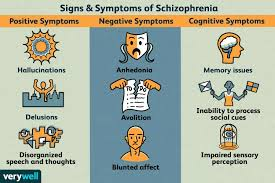
Schizophrenia cannot be cured with antidepressants. Antidepressants may be used to treat comorbid depression in individuals with schizophrenia, but they do not address the core symptoms of schizophrenia itself. Schizophrenia is a chronic condition that typically requires lifelong treatment with antipsychotic medications to manage symptoms.
Choice B Reason:
Schizophrenia typically first presents in adolescence or early adulthood. This is the period when symptoms such as hallucinations, delusions, and disorganized thinking often first become apparent. The onset of schizophrenia during this developmental stage can significantly impact an individual's social and vocational abilities.
Choice C Reason:
Antipsychotic medications are the cornerstone of schizophrenia treatment. They can be used to manage symptoms of hallucinations and delusions, which are known as positive symptoms of schizophrenia. These medications work by affecting neurotransmitters in the brain, particularly dopamine.
Choice D Reason:
Individuals with schizophrenia have a higher risk of substance abuse disorders. Substance use can exacerbate symptoms of schizophrenia and complicate the course of the illness. It is important for treatment plans to address any co-occurring substance use disorders.
Choice E Reason:
Schizophrenia significantly affects thoughts and perceptions. It can cause distorted thinking patterns, false beliefs, and sensory experiences that others do not share. These symptoms can be distressing and may lead to difficulties in distinguishing reality.
Whether you are a student looking to ace your exams or a practicing nurse seeking to enhance your expertise , our nursing education contents will empower you with the confidence and competence to make a difference in the lives of patients and become a respected leader in the healthcare field.
Visit Naxlex, invest in your future and unlock endless possibilities with our unparalleled nursing education contents today