
The mother of a toddler with asthma seeks support from the parents of other children with asthma. This is an example of which human dimension?
Socio-cultural dimension
Intellectual and spiritual dimension
Physical dimension
Environmental dimension
The Correct Answer is A
Socio-cultural dimension encompasses the social and cultural influences that shape an individual's health beliefs, behaviors, and experiences. It includes factors such as:
Social support systems: The mother's act of seeking support from other parents of children with asthma demonstrates her utilization of a social support system. This is a crucial aspect of the socio-cultural dimension, as strong social connections can provide emotional support, practical assistance, and access to information and resources.
Cultural norms and values: Cultural beliefs about health, illness, and coping mechanisms can influence how individuals seek help and manage their health conditions. The mother's decision to seek support from other parents may be influenced by cultural norms that value community and shared experiences.
Health disparities: Socio-cultural factors can contribute to health disparities, which are differences in health outcomes among different social groups. Understanding the socio-cultural dimension is essential for addressing these disparities and promoting health equity.
Choice B: The intellectual and spiritual dimension focuses on an individual's beliefs, values, and meaning-making processes. While these factors can influence how individuals cope with illness, they are not directly related to the mother's act of seeking support from other parents.
Choice C: The physical dimension encompasses an individual's biological makeup and physical health status. While the child's asthma is a physical condition, the mother's act of seeking support is a social behavior that falls within the socio-cultural dimension.
Choice D: The environmental dimension includes factors in the physical environment that can affect health, such as air quality, housing conditions, and access to healthcare. While these factors can play a role in asthma management, they are not directly related to the mother's decision to seek support from other parents.
Nursing Test Bank
Naxlex Comprehensive Predictor Exams
Related Questions
Correct Answer is B
Explanation
Choice A rationale:
Sims' position is a side-lying position with the lower leg flexed and the upper leg extended. It is not ideal for bladder scanning because it can compress the bladder and make it difficult to obtain an accurate reading.
Additionally, in Sims' position, the bladder may not be fully accessible to the scanner, as it may be partially obscured by the upper thigh.
Choice B rationale:
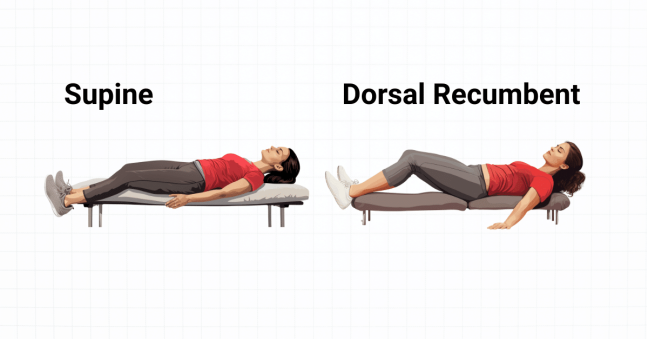
Dorsal recumbent position is the optimal position for bladder scanning. In this position, the client lies flat on their back with their knees bent and their feet flat on the bed. This position allows for:
Full exposure of the bladder, making it easily accessible to the scanner.
Relaxation of the abdominal muscles, which can help to ensure an accurate reading.
A comfortable position for the client, promoting cooperation and reducing the likelihood of movement that could interfere with the scan.
Choice C rationale:
Supine position is a similar position to dorsal recumbent, but with the legs fully extended. While it is possible to perform a bladder scan in this position, it is not as ideal as dorsal recumbent because:
The extended legs can place some tension on the abdominal muscles, potentially affecting bladder position and the scan's accuracy.
The client may find this position less comfortable, leading to restlessness and potential movement that could interfere with the scan.
Choice D rationale:
High Fowler's position is a semi-sitting position with the head of the bed elevated at a 45- to 60-degree angle. This position is not suitable for bladder scanning because:
Gravity can pull the bladder downwards, making it difficult to visualize and measure accurately.
It can be challenging to maintain proper positioning of the scanner on the abdomen in this position, potentially leading to inaccurate readings.
Correct Answer is D
Explanation
Choice A rationale:
Planning is conducted during the initial stage of Lewin's change model, known as the unfreezing phase. This phase involves creating awareness of the need for change, building support, and developing a plan for implementation. It's not part of the refreezing phase.
Choice B rationale:
Change is initiated during the second stage of Lewin's change model, known as the change or transition phase. This phase involves implementing the planned changes, providing training and support, and addressing resistance. It's not part of the refreezing phase.
Choice C rationale:
The need for change is recognized during the unfreezing phase, not the refreezing phase. Recognizing the need for change is a crucial step in initiating the change process, but it's not the focus of the refreezing phase.
Choice D rationale:
Change becomes permanent during the refreezing phase. It involves solidifying the new behaviors and practices that have been implemented during the change phase. This is achieved through various strategies, such as:
Reinforcement of the new behaviors through rewards, recognition, and positive feedback
Integration of the new behaviors into organizational policies, procedures, and structures
Creation of a supportive culture that encourages and sustains the change
Ongoing monitoring and evaluation to ensure that the change is sustained over time
Whether you are a student looking to ace your exams or a practicing nurse seeking to enhance your expertise , our nursing education contents will empower you with the confidence and competence to make a difference in the lives of patients and become a respected leader in the healthcare field.
Visit Naxlex, invest in your future and unlock endless possibilities with our unparalleled nursing education contents today