
A nurse is assessing a client with possible bulimia nervosa. Which findings would support this diagnosis? Select all that apply.
Recurrent episodes of binge eating.
Inappropriate compensatory behaviors to prevent weight gain.
Normal or slightly above normal body weight.
Sense of lack of control over eating.
Acknowledgment of the problem.
Correct Answer : A,B,C,D
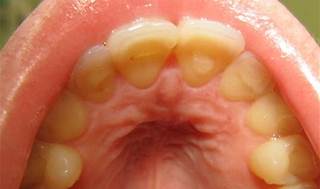
The correct answer is a. Recurrent episodes of binge eating, b. Inappropriate compensatory behaviors to prevent weight gain, c. Normal or slightly above normal body weight, d. Sense of lack of control over eating.
Choice A rationale:
Recurrent episodes of binge eating are a key diagnostic criterion for bulimia nervosa. This involves consuming a large amount of food in a short period while feeling a lack of control over eating.
Choice B rationale:
Inappropriate compensatory behaviors, such as self-induced vomiting, misuse of laxatives, fasting, or excessive exercise, are used to prevent weight gain and are essential for diagnosing bulimia nervosa.
Choice C rationale:
Individuals with bulimia nervosa often maintain a normal or slightly above normal body weight, which can make the disorder less noticeable compared to anorexia nervosa.
Choice D rationale:
A sense of lack of control over eating during binge episodes is a critical feature of bulimia nervosa.
Choice E rationale:
Acknowledgment of the problem is not a diagnostic criterion for bulimia nervosa. Many individuals with bulimia may not recognize or admit they have a problem.
Nursing Test Bank
Naxlex Comprehensive Predictor Exams
Related Questions
Correct Answer is C
Explanation
Choice A rationale:
The statement "You should just focus on physical recovery for now." neglects the psychological aspect of the patient's condition. Eating disorders are complex and involve both physical and psychological components, so focusing solely on physical recovery is not effective.
Choice B rationale:
The statement "You need to follow the meal plan exactly as it is." might come across as rigid and lacking empathy. It doesn't address the patient's emotional struggles and distorted beliefs about food and body image.
Choice C rationale:
The statement "I understand that distorted body image can be challenging." shows empathy and acknowledges the psychological aspect of the disorder. It demonstrates that the nurse comprehends the patient's experience and is willing to provide psychological support.
Choice D rationale:
The statement "You should isolate yourself from group therapy sessions." is counterproductive. Group therapy can be highly beneficial for individuals with eating disorders, as it provides a supportive environment and helps combat the isolation often experienced by these patients.
Correct Answer is C
Explanation
Choice A rationale:
Gastric emptying. Gastric emptying refers to the process by which the stomach contents are emptied into the small intestine. While it can be affected by various factors, such as the type of food consumed, it's not a typical gastrointestinal symptom associated with eating disorders. Eating disorders often involve disturbances in eating behaviors, body image, and psychological aspects rather than the mechanical process of gastric emptying.
Choice B rationale:
Constipation and diarrhea. Constipation and diarrhea can be associated with various gastrointestinal conditions, but they are not the hallmark symptoms of eating disorders. In some cases, individuals with anorexia nervosa might experience constipation due to low food intake, but this is not a defining feature of eating disorders as a whole.
Choice C rationale:
Abdominal pain and bloating. Abdominal pain and bloating are common gastrointestinal symptoms in individuals with eating disorders, particularly those who engage in binge eating or consume large amounts of food in a short period. The discomfort from overeating or consuming excessive amounts of food can lead to abdominal pain and bloating. Additionally, purging behaviors, such as self-induced vomiting, can also cause irritation to the stomach lining and result in abdominal pain.
Choice D rationale:
Nausea and vomiting. Nausea and vomiting are indeed common symptoms in individuals with eating disorders, especially those with bulimia nervosa. The act of binge eating followed by purging through vomiting is a key characteristic of this disorder. However, the question is asking about gastrointestinal symptoms typically associated with eating disorders in general, and not all individuals with eating disorders engage in purging behaviors.
Whether you are a student looking to ace your exams or a practicing nurse seeking to enhance your expertise , our nursing education contents will empower you with the confidence and competence to make a difference in the lives of patients and become a respected leader in the healthcare field.
Visit Naxlex, invest in your future and unlock endless possibilities with our unparalleled nursing education contents today