
Necrotic death of brain tissue usually produces:
Fat necrosis
Coagulative necrosis
Caseous necrosis
Liquefactive necrosis
The Correct Answer is D
Choice A Reason:
Fat necrosis occurs when fatty tissues are damaged, leading to the release of enzymes that break down fat cells. This type of necrosis is commonly seen in the pancreas and breast tissue, often due to trauma or pancreatitis. It is not typically associated with brain tissue.
Choice B Reason:
Coagulative necrosis is characterized by the preservation of the basic outline of the coagulated cells for a few days after cell death. This type of necrosis is usually seen in tissues affected by ischemia, such as the heart, kidneys, and adrenal glands. However, it is not the typical pattern of necrosis seen in brain tissue.
Choice C Reason:
Caseous necrosis is a form of cell death in which the tissue maintains a cheese-like appearance. It is most commonly associated with tuberculosis infections in the lungs. This type of necrosis is not typically seen in brain tissue.
Choice D Reason:
Liquefactive necrosis is the correct answer. This type of necrosis occurs when the tissue becomes soft and liquefied, often forming a pus-filled cavity. It is commonly seen in the brain due to ischemic injury or bacterial infections. The high lipid content and low structural support in brain tissue make it particularly susceptible to liquefactive necrosis.
Nursing Test Bank
Naxlex Comprehensive Predictor Exams
Related Questions
Correct Answer is B
Explanation
Choice A Reason:
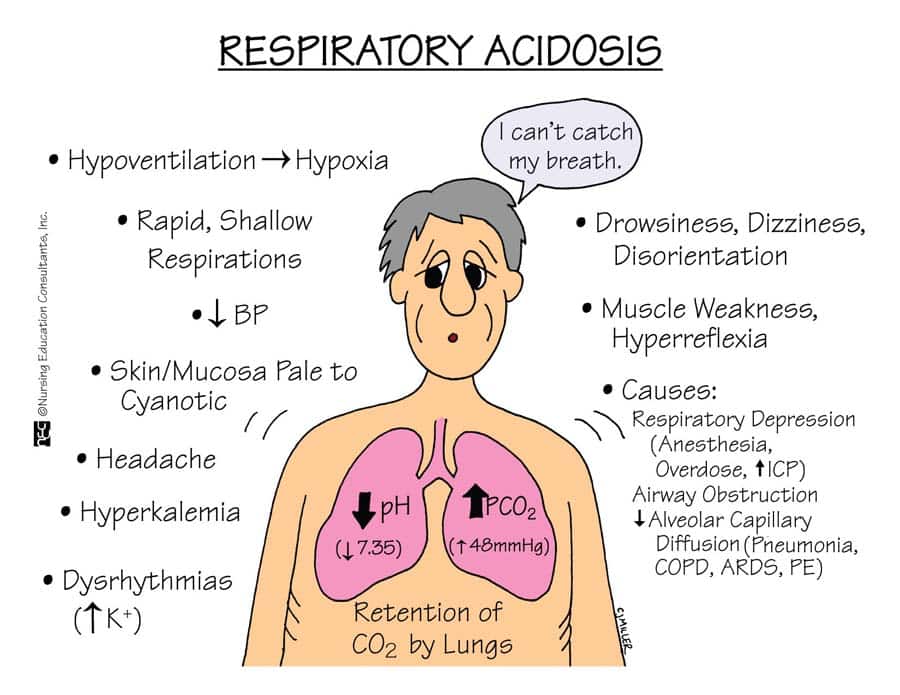
Increased neuromuscular excitability is not typically associated with respiratory acidosis. Instead, respiratory acidosis can lead to symptoms such as confusion, fatigue, and shortness of breath due to the buildup of carbon dioxide in the blood. Neuromuscular excitability is more commonly associated with conditions like hypocalcemia.
Choice B Reason:
This is the correct answer. Respiratory acidosis occurs when the lungs cannot remove enough carbon dioxide (CO2) from the body, leading to an accumulation of CO2 in the blood. This increase in CO2 results in the formation of carbonic acid, which lowers the pH of the blood. The elevated levels of carbonic acid are a hallmark of respiratory acidosis.
Choice C Reason:
Increased pH is not associated with respiratory acidosis. In fact, respiratory acidosis is characterized by a decrease in blood pH due to the accumulation of carbon dioxide and the subsequent increase in carbonic acid. Therefore, this choice is incorrect.
Choice D Reason:
Hypokalemia, or low potassium levels, is not typically associated with respiratory acidosis. Instead, respiratory acidosis can sometimes lead to hyperkalemia (high potassium levels) due to the shift of potassium out of cells in response to the acidotic state. Therefore, this choice is incorrect.
Correct Answer is C
Explanation
Choice A Reason:
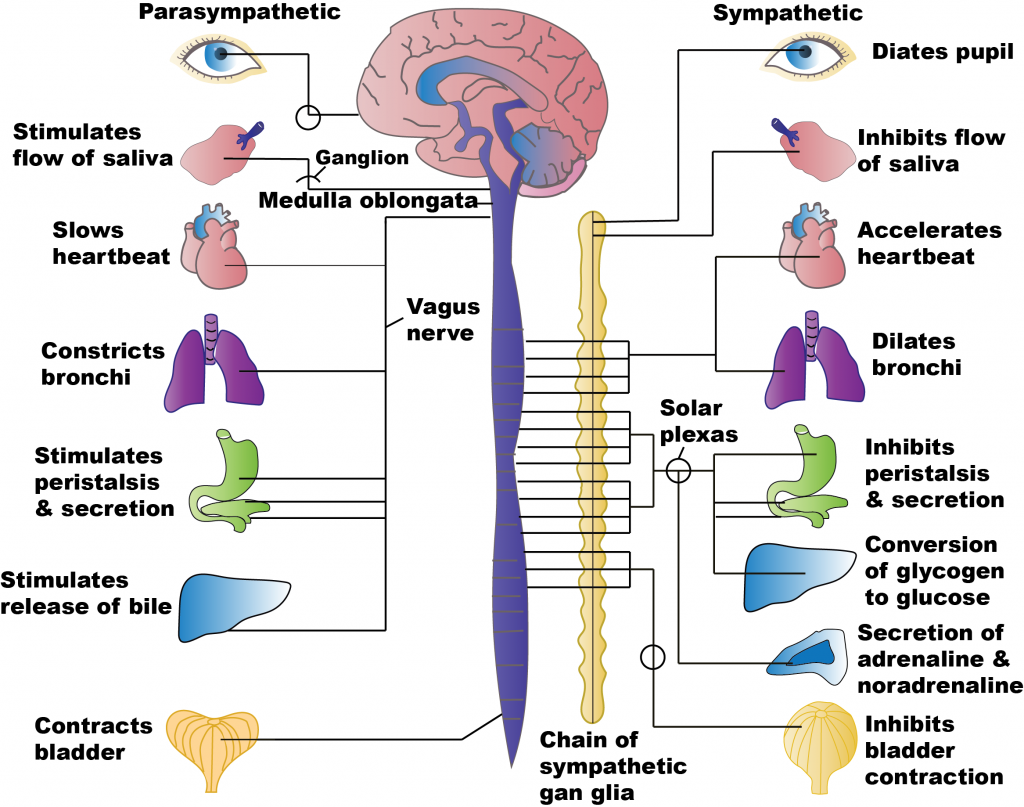
The sympathetic nervous system (SNS) is responsible for the “fight or flight” response, which prepares the body to respond to perceived threats. One of the primary effects of SNS activation is an increase in heart rate. This is achieved through the release of catecholamines like adrenaline, which stimulate the heart to pump more blood to vital organs and muscles.
Choice B Reason:
Another effect of SNS activation is an increase in blood glucose levels. This occurs because the body needs more energy to respond to stress. The SNS stimulates the liver to release glucose into the bloodstream, ensuring that muscles and other tissues have enough energy to function effectively during a stressful situation.
Choice C Reason:
The correct answer is that SNS activation does not increase GI motility and movement. In fact, it has the opposite effect. During a “fight or flight” response, the body prioritizes functions that are critical for immediate survival, such as increased heart rate and blood flow to muscles. As a result, non-essential functions like digestion are slowed down. The SNS decreases GI motility and movement to divert energy and blood flow to more critical areas.
Choice D Reason:
SNS activation also leads to an increase in blood pressure. This is achieved by constricting blood vessels and increasing the force of heart contractions. The purpose of this response is to ensure that enough blood and oxygen are delivered to essential organs and muscles during a stressful situation.
Whether you are a student looking to ace your exams or a practicing nurse seeking to enhance your expertise , our nursing education contents will empower you with the confidence and competence to make a difference in the lives of patients and become a respected leader in the healthcare field.
Visit Naxlex, invest in your future and unlock endless possibilities with our unparalleled nursing education contents today