
Which of the following valves separates the atrial and ventricular chambers of the heart?
Pulmonary
Atrioventricular
Semilunar
Aortic
The Correct Answer is B
a. Pulmonary: The pulmonary valve separates the right ventricle from the pulmonary artery, which carries blood to the lungs.
b. Atrioventricular: The heart has four chambers: two upper atria and two lower ventricles. The atrioventricular valves (AV valves), also known as tricuspid and mitral valves, separate the atria from the ventricles and prevent blood from flowing backward from the ventricles to the atria.
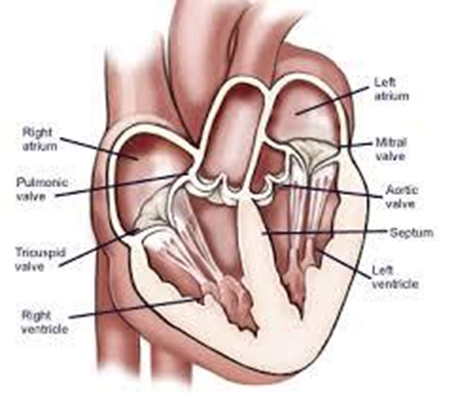
c. Semilunar: Semilunar valves (aortic and pulmonary) are located at the base of the aorta and pulmonary artery, preventing blood from flowing back into the ventricles.
d. Aortic: The aortic valve separates the left ventricle from the aorta, the main artery carrying blood away from the heart to the body.
Nursing Test Bank
Naxlex Comprehensive Predictor Exams
Related Questions
Correct Answer is C
Explanation
a. The right ventricle chamber has a smaller overall capacity than the left ventricle: While true, this doesn't directly explain the difference in muscle thickness.
b. The right ventricle receives blood from right atrium, which has lower pressure than left atrium: Both ventricles receive blood from low-pressure atria. The pressure difference is between the circulation systems they pump blood into.
c. The right ventricle pumps a smaller blood volume than the left ventricle. The right ventricle pumps blood to the lungs, a low-pressure system. Therefore, the right ventricle wall (myocardium) is thinner than the left ventricle wall. The left ventricle pumps blood against the higher resistance of the systemic circulation, so its wall is much thicker and stronger.
d. The right ventricle pumps blood into pulmonary circulation, which has lower resistance than systemic circulation: This is the core reason for the difference in muscle thickness.
Correct Answer is C
Explanation
a. Pulls the edges of the wound together: Wound closure is a later stage of healing, not a primary function of inflammation.
b. Causes bleeding to clean out the wound: While some bleeding might occur initially, inflammation doesn't actively cause bleeding to clean the wound.
c. Cleans out debris and toxins from the wound: Inflammation is a natural response to injury or infection. It involves increased blood flow, redness, swelling, and heat. This process helps to deliver white blood cells and other immune factors to the area to fight infection and remove debris and damaged tissues, promoting healing.
d. Builds the scab to protect the wound: Scab formation is a result of dried blood and plasma, not a direct effect of inflammation.
Whether you are a student looking to ace your exams or a practicing nurse seeking to enhance your expertise , our nursing education contents will empower you with the confidence and competence to make a difference in the lives of patients and become a respected leader in the healthcare field.
Visit Naxlex, invest in your future and unlock endless possibilities with our unparalleled nursing education contents today